Crypto Compliance Startups: Monetizing the Regulation
Crypto compliance turned KYC, AML, MiCA, wallet screening, and stablecoin payments into a lucrative industry of tools and consultants.

There is a particular category of crypto user for whom a compliance form represents an apocalypse. This individual can live through a 50% memecoin dump in one day, a frog-related token’s rise to the top of the charts and the almost immediate and inevitable dump, gas slippage, bridges, influencers, and his own insomnia - but put him in front of a passport scanner, ask him about the source of funds or make him wait for an AML check to clear before he can spend his hard-earned stablecoins, and he will experience a mortal shock.
This fear is not entirely irrational, as many of us were promised by crypto’s early boosters that it was all about financial sovereignty - the ability to make financial decisions without having to pander to the byzantine bureaucracy of traditional finance. That meant not having to deal with a bank clerk or a compliance officer asking difficult questions before you could move some money from one “wallet” to another.
It also meant, not being obligated to reply to a stern email from a correspondent bank about a particular transaction that occurred three years earlier on an exchange that was based in a different jurisdiction, which the user, ironically, never visited. But once crypto institutions grew big and influential, and stablecoins became actual rails for settlement, the promise of permissionless innovation collided with the responsibility of regulating a financial infrastructure.
The result of this collision was that regulators began to slowly but inevitably descend on the industry, armed with KYC, AML, KYT, MiCA, Travel Rule, sanctions screening, source of funds dialogues, and a growing list of regulatory obligations. Most crypto users find these terms associated with a single unwelcome idea - a set of hurdles that make them feel like second-class citizens every time they attempt to do something normal.
For example, for one unfortunate crypto bro, the experience of sending USDT from one wallet to another can be incredibly disheartening, as he remembers having to paste the recipient’s address into a screening tool before the transaction could be processed. It turns out that everything was fine - the wallet to which he sent the stablecoins was not blacklisted. It was not associated with a terrorist organization, not involved in any ransomware payouts, darknet market payments, fraud schemes, tax evasion trails, or money laundering. His assets were safe, and he was not going to be arrested or have his account frozen, but the unpleasant experience was over only after he learned about all these potential threats. In addition, he probably did not pay for the screening himself - this cost was probably hidden somewhere in the exchange’s fees, or the wallet provider’s subscription, or a business expense claim of some other party involved in the transaction. Someone, somewhere, was monetizing his fear.
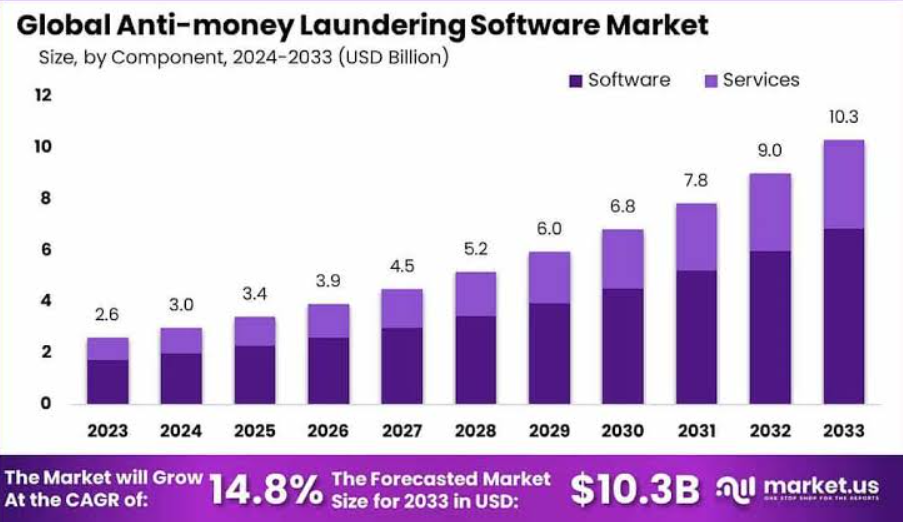
A similar situation can arise for him several times a week - a screening check that appeared to be completely unnecessary to the user but cost him several cents nonetheless. If he does a similar transaction next month and one of the addresses in his history gets tagged, or a mixer he used gets added to a sanctions list, or a bridge he sent his coins to gets hacked, or one of the addresses on the other side turns out to be poisonous, then it may be worth repeating the check. After all, the price of the screening tool’s API is much more affordable than the potential loss if it turns out that the transaction is suspicious. Thus, an industry was born in which tools like Chainalysis Reactor, TRM Labs, Elliptic Intelligence, Crystal Intelligence, Scorechain, Merkle Science, and many other similar services, provide crypto users with a sense of security - and businesses with a steady stream of revenues through recurring subscriptions.
These tools are not always used by the average crypto user, but they are in constant demand by banks, exchanges, payment providers, and other institutional players who need to ensure that, for example, the wallet from which they are receiving funds does not turn out to be blacklisted. At the same time, the users see a green checkmark and feel that their transaction was protected - and the next time it will be much more straightforward since nothing bad happened.
Compliance Consultants
AML checks are only the beginning; the more significant challenge for crypto users and businesses is understanding what activities are available to them and how they should organize their operations to operate within the bounds of the law. This is where compliance consultants come to the rescue, offering to take care of some of the most annoying aspects of regulation in exchange for substantial fees.
Consultancies, law firms, licensing specialists, tax advisors, and even former regulators, who understand the nuances of crypto regulation, can provide assistance to crypto businesses that are trying to navigate regulatory challenges without incurring unacceptable costs. MiCA, the EU’s Markets in Crypto-Assets regulation, which seeks to impose stricter oversight over crypto custodians and exchanges, is just one example of many of such regulations around the world.
While, in theory, there is nothing wrong with the fact that crypto is becoming subject to regulation, it does create additional costs for businesses that want to operate in this space without incurring unacceptable financial and legal risks. For example, MiCA requires crypto custodians, exchanges, payment agencies, wallet providers, tokenized asset platforms, brokerages, and tokenization advisors to obtain regulatory licenses in specific jurisdictions, which means that any crypto business that wants to operate within the EU’s borders no longer has the luxury of choosing a jurisdiction based on convenience or cost.
Not every corporate lawyer has a thorough understanding of MiCA requirements, and even those who do may not have sufficient knowledge of other regulations relevant to the crypto industry, such as the EU’s Transfer of Funds Regulation, Travel Rule, AML laws, stablecoin regulations, crypto token classification rules, custody requirements, market abuse directives, and cybersecurity standards. Thus, there emerges a demand for specialists who can explain all these regulations in detail and help businesses avoid the kinds of financial and legal risks that an inexperienced team may create.
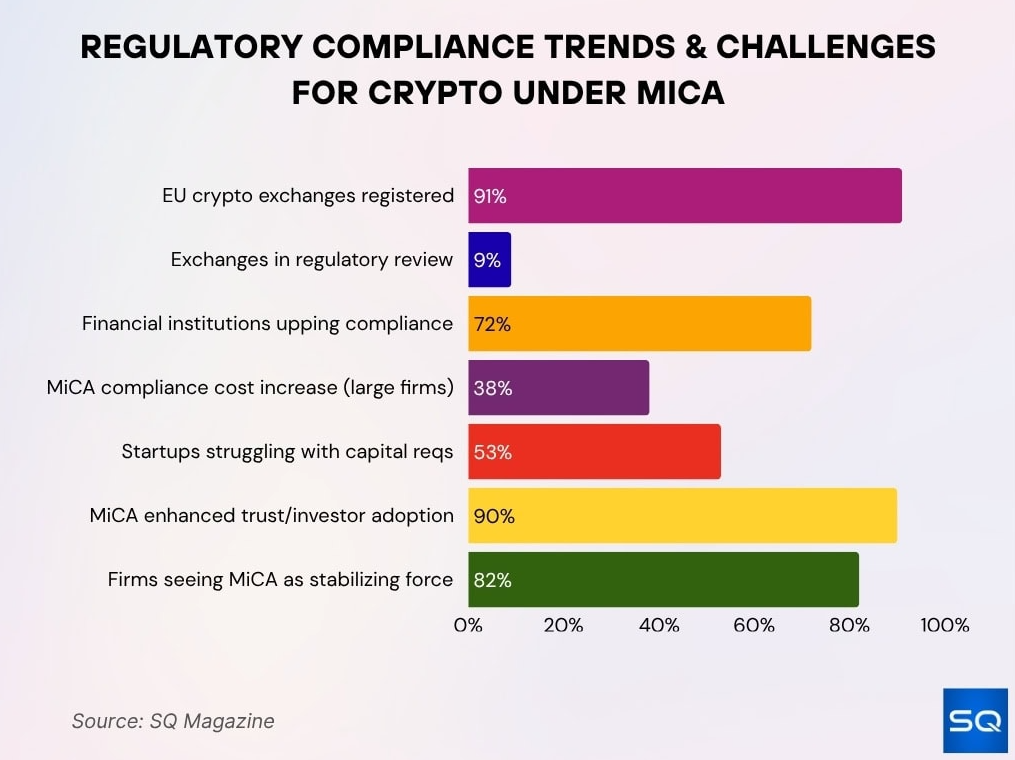
EY, Deloitte, PwC, KPMG, Hogan Lovells, Latham & Watkins, and other consultancy firms, as well as smaller niche specialists like TokenTax, Zebpay Legal, Tokenika Law, have emerged to fill this demand. These companies offer a wide range of services related to crypto regulations, including MiCA advisory services, CASP authorization consultancy, licensing assistance, white paper review and consulting, compliance with Travel Rule, AML regulations, transaction screening tools selection, governance documentation advice, staff training, and supervisory services. All of these are essential aspects of crypto regulation that businesses must address if they wish to operate within the law without exposing themselves to unacceptable legal and financial risks.
Payment Processors
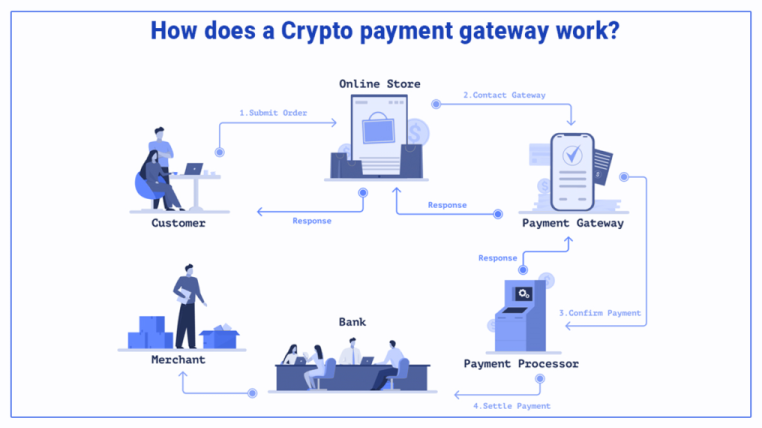
Another headache for crypto users, especially for those who want to spend their cryptocurrency on actual goods and services, is figuring out how to make payments. If crypto is to surpass traditional money as a viable payment method, it must be adopted by mainstream payment processors and merchants, which means that such organizations must agree to accept crypto as a method of payment and establish appropriate procedures for processing these transactions.
There are several crypto payment processors, among them BitPay, Coinbase Commerce, BVNK, NOWPayments, Request Network, Fireblocks and its partners, and Stripe through its stablecoin infrastructure Bridge, which can help crypto holders make payments in stablecoins. Merchants that use such services can benefit from faster transactions, reduced chargeback risks, increased customer base, and access to international markets, as well as other advantages that traditional payment processors usually provide.
At the same time, there are drawbacks, which are related to the fact that crypto transactions are much more difficult to integrate into the regular accounting and tax reporting systems. The primary reason for this complexity is that stablecoins are being treated more and more like actual money, which means that transactions made in them must be considered cash payments by tax authorities. In addition, local regulations often require businesses to collect information about these types of transactions and report them to tax authorities. In the U.S., the Treasury has proposed new reporting requirements for stablecoin transactions, while in other jurisdictions, stablecoins are increasingly subject to AML and KYC requirements. In Europe, there is the aforementioned MiCA and Transfer of Funds Regulation to fight money laundering and terrorist financing, which also indirectly affects crypto payments. There are many such regulatory challenges around the world, and the acronyms mentioned above only represent a few of them.
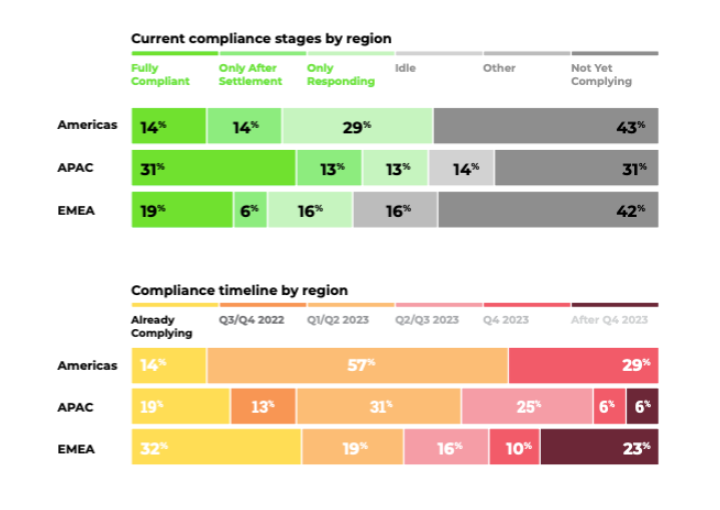
Thus, the payment processors that help merchants accept crypto must also be able to assist them in navigating all these tax, accounting, and regulatory challenges, which means that the cost of using such services can be significantly higher than, say, paying card fees. In addition to tax and accounting advisors, merchants may also need KYC/AML consultants, compliance lawyers, and transaction screening vendors, depending on their particular circumstances and local regulations, which makes such payments much more complicated than one might expect from a simple crypto payment.
Stablecoins, Risk Scoring and Returning Funds
One of the most difficult issues with crypto payments is the reputational risk that comes with using crypto addresses. Unlike fiat money, crypto transactions leave behind a publicly available trail that is analyzed by various analytical tools to identify potential risk factors. This means that when processing a payment, the processor must determine what risks, if any, are associated with the particular blockchain address from which the payment is being initiated and the address to which the payment is being sent. Even if, from the merchant’s point of view, such a payment involves no risk, he must still decide whether and how to handle it based on his internal policies and available compliance tools.
When it comes to returning a payment, there is also a dilemma - whether to refund the customer or the funds to the address from which they were sent since there is always a possibility that this address belongs to a scammer, and the refund will simply be stolen and used to pay for another scam. At the same time, the refund may be necessary, either if there is no other option, if the customer asks for it, or if law enforcement authorities demand it. In addition, in the case where the payment is made from a mixer, the funds may be at much greater risk of being associated with criminal activity than expected. On the other hand, the scammer who took the user’s money may also be using a mixer when trying to steal the user’s money.
The risks are much higher when DeFi lending protocols are used, where it is often impossible to distinguish between legitimate and illegitimate activity with a high degree of certainty. In addition to the danger that these types of transactions pose to the merchant, there is also the danger associated with the size of the payment - large sums will require much more careful risk assessment than small payments. Such payments also carry the increased risk of chargebacks and reversals, which the merchant must consider when deciding how to handle such transactions. The more such transactions there are, the more work the business will have to put into evaluating their risk, determining whether they will be honored or reimbursed, and analyzing the consequences of these decisions.
All this is why many crypto users and businesses are eager to move away from direct crypto transactions and adopt crypto payment processors. It is much easier to process a stablecoin payment and trust that the risks of such a transaction will fall on the processors and not on the merchant himself.
A compliance startup may be eager to take on the responsibility of answering these questions, which is why many companies are ready to provide such services to crypto processors who seek to manage the risks associated with such payments.
Uncertainty and Scalability
One of the reasons for the explosive development of compliance technology startups in the crypto industry is the unique way in which they operate. One-time consulting services are much less attractive for both sides compared to an ongoing relationship in which the user pays subscription fees for regular risk assessments of blockchain addresses.
It is much more challenging for a crypto company that processes thousands of transactions to operate with occasional risks associated with individual payments. Such a business must develop appropriate policies for handling situations in which such a payment is received and, in addition, analyze all such payments in order to identify and mitigate any potential risks and respond to requests from law enforcement, regulators, and customers in accordance with standard operating procedures.
This requires extensive experience and detailed knowledge of the regulatory and compliance landscape in order to develop optimal measures and determine the costs and benefits associated with mitigating various types of risk. At the same time, such a company must maintain a consistent risk assessment policy in order to ensure that it does not violate any regulations while responding to individual requests regarding specific transactions. Finally, such a company must also have sufficient experience and expertise to be able to document all procedures and demonstrate to competent authorities that it has the necessary procedures to deal with all risks.
Thus, in practice, for the average crypto user, the use of such tools and services may be associated with annoying restrictions and occasional inconveniences. At the same time, the compliance company will perceive this as an opportunity to provide a comprehensive set of services to the merchant in order to ensure consistency and scalability of operations at the expense of high-quality risk management solutions.
Cultural Shift Toward Permissioned Finance
It seems that the entire crypto industry, at least at the infrastructural level, is undergoing a major cultural shift. In its original understanding, cryptocurrencies and blockchain technologies were intended to enable a permissionless financial system that would allow anyone to participate in economic activity without having to go through traditional financial intermediaries. However, the way the industry is developing suggests that the opposite is happening - the crypto industry is gradually moving toward a highly regulated and permissioned financial infrastructure in which each transaction must be approved by the appropriate authorities and meet the existing requirements.
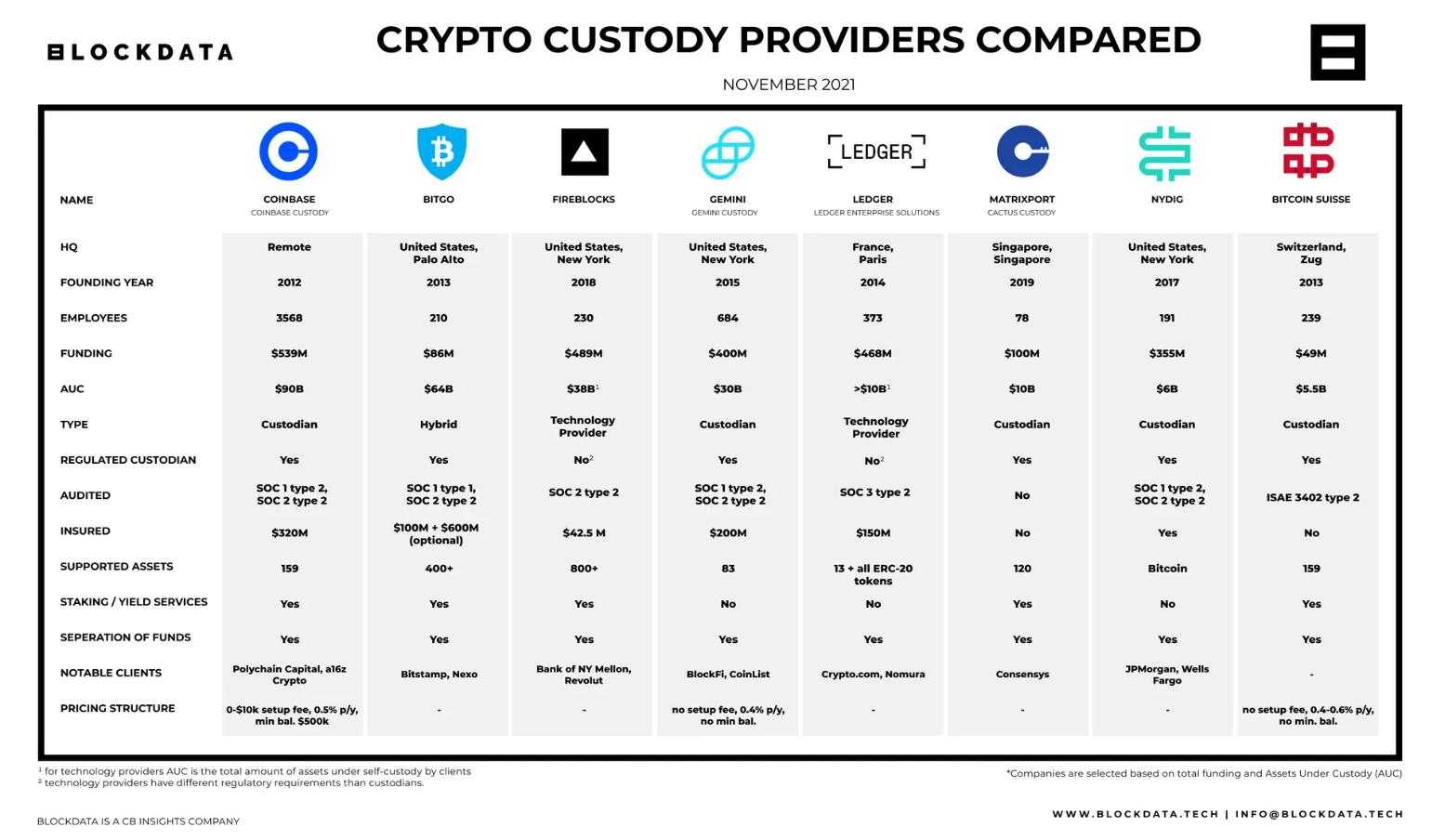
This trend is evident from the fact that many crypto exchanges and wallets are now promoting their compliance technologies and consulting offerings. Custody services highlight their responsibility and trustworthiness, and payment processors point out that, among other things, they can take care of KYC and AML issues. The same goes for auditing firms and consulting companies that assist crypto businesses in ensuring that their operations are fully compliant with all applicable regulations. In other words, all the necessary measures are available for those who want to become full participants in the traditional financial system. The rebellious nature of cryptocurrencies, at least on the infrastructural level, has been largely neutralized by the need to develop and implement appropriate compliance tools and procedures that would meet the requirements of conventional finance.
Regulatory Taxes
One of the most frustrating aspects of regulation is that it often takes away opportunities to reduce costs due to ignorance of certain rules or the ability to operate within the framework of specific regulations. One of the most annoying taxes imposed by regulation, at least from the perspective of crypto users, is the cost of verifying risks. Users must pay to know whether a particular blockchain address is reliable and can be used to process payments. They must also pay to know whether they can use a particular token, whether their European customers have the right to use it, whether a particular stablecoin transaction triggered any tax liabilities, and so on. Thus, every interaction with regulation implies additional costs associated with the need to determine whether and how a particular action should be performed.
This is precisely the role of compliance technology startups, which are eager to offer their services to those who are looking to minimize the risks and costs associated with navigating the murky waters of regulation. At first glance, it may seem that such costs are mainly related to risk management and transaction processing, but in reality, they also affect other aspects of doing business, including taxes, consulting, auditing, and legal services. The more crypto interacts with traditional financial infrastructure, the more aspects of the business require specialized skills to understand and comply with the applicable requirements, which means additional costs for the company, such as the necessity to use external services.
As a result, some crypto businesses are driven to adopt permissioned blockchain solutions that allow them to operate within a single jurisdiction without having to interact with a large number of regulators. In addition, such businesses are likely to opt for custody solutions that offer institutional-level protection of assets as well as consulting and auditing services that help them fully comply with existing regulations and avoid additional costs associated with tax audits and other regulatory risks.
Conclusion
Regulation has always been a problem for cryptocurrencies, which are, by their very nature, difficult to control and therefore attract increased scrutiny from regulatory agencies. Some crypto enthusiasts have always resisted this aspect of crypto development, arguing that regulation suppresses innovation and makes the industry less attractive, but in reality, regulation often serves to create new opportunities rather than destroy them.
The ability to scale and interact more smoothly with traditional financial infrastructure is what gives many crypto businesses their competitive advantages, and regulation allows them to realize these advantages by introducing order into interactions between market participants. At the same time, regulation also brings additional costs, including new taxes and transaction fees, as well as additional costs associated with consulting, auditing, and legal services.
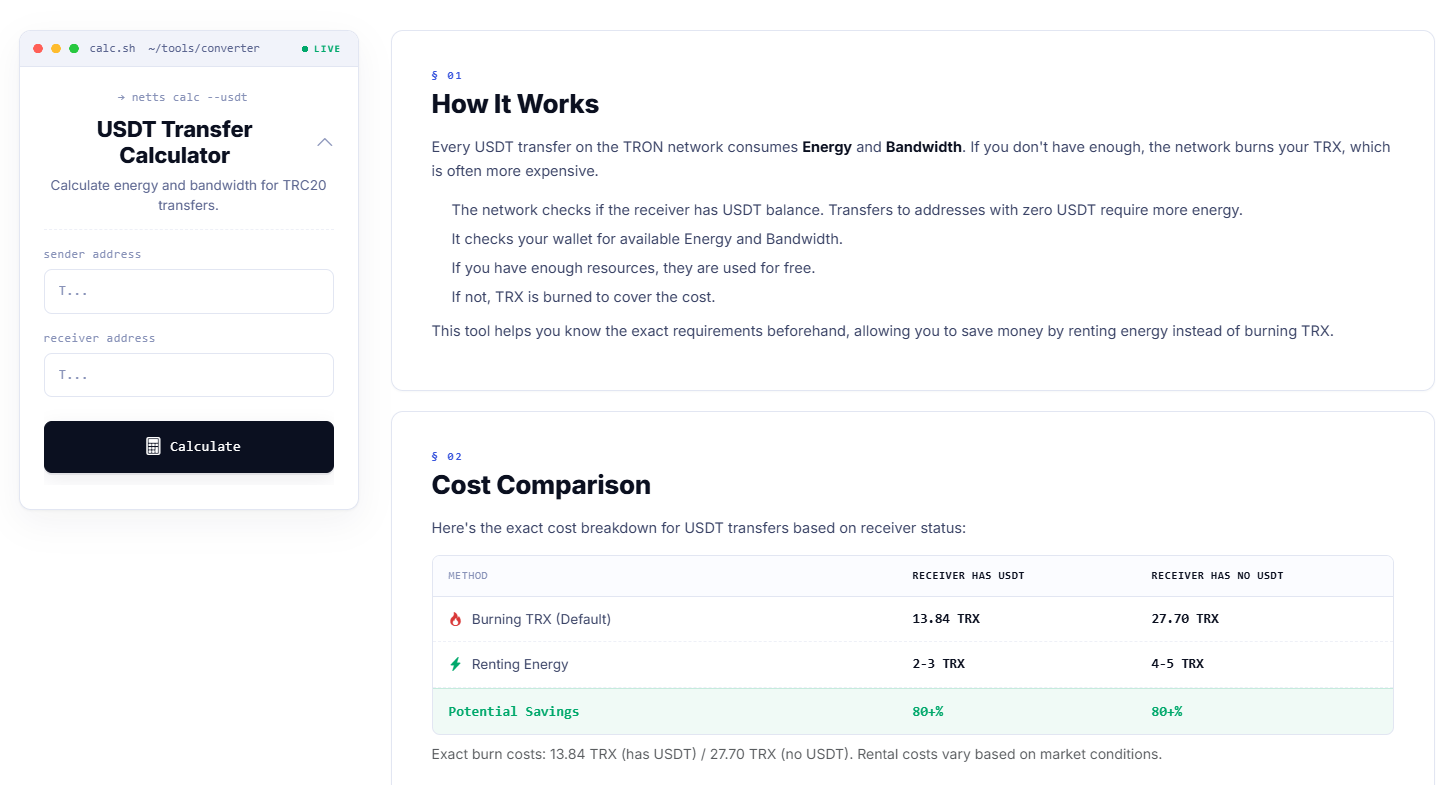
This is where a small practical tool such as USDT Transfer Calculator from Netts.io comes to play in the same universe of concealed expenditures. A user who has already learned to pay for AML checks and compliance security is not going to estimate the cost of stablecoin transactions on the TRON network any longer. The calculator assists in evaluating the required amount of Energy and Bandwidth before initiating a TRC20 transfer, explains why some wallets charge more to receive USDT than others, and facilitates calculating approximate USDT fee sizes before any given transfer. For those who care about cheap USDT transfers, affordable USDT fees, and prevention of any unnecessary TRX burning, that tool is not an ideological supplement but rather a common-sense necessity – another fee that has to be calculated before it takes anything from your wallet.