Bitcoin Mining After the Halving: Cheap Power Wins
Bitcoin mining after the halving is a fight over cheap power, geography, regulation, AI data centers, and who survives the new margins.
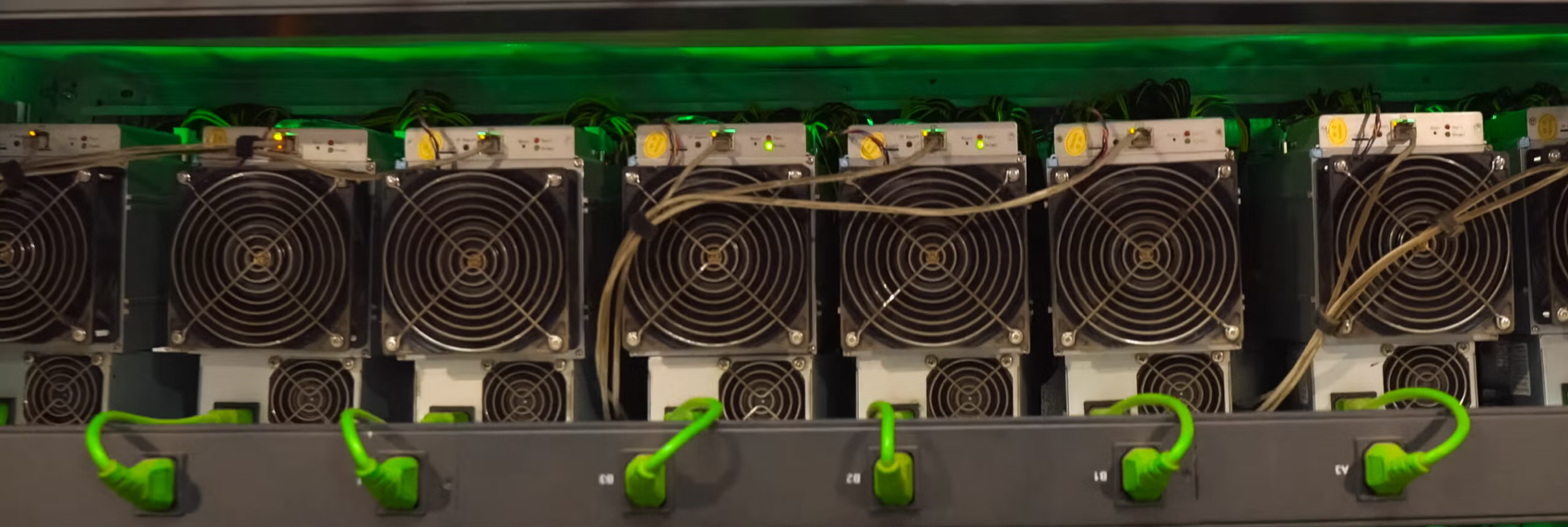
There was a period when mining Bitcoin was a hobby of sorts. Someone downloaded an application, threw a laptop on a heatsink, felt a bit dirty for wasting electricity and referred to himself as a pioneer. Not that the Bitcoin pioneers didn’t have substance. Some of the most brilliant minds dedicated their talents to the cause. But when we think of pioneers, we think less of someone signing a PPA and more of someone who does not need one. He does not need a warehouse in Texas or a permit to build a dam in Ethiopia. He does not need a firmware engineer, a fleet captain, a tax lawyer, or a PR person to explain to his regional electricity provider that, actually, the reason he needs to purchase 300 MW for a period of 5 years has nothing to do with Bitcoin, because Bitcoin is not even officially an industry yet.
Things were simple at the dawn of mining. That’s the part that romanticists like to forget. It was not a noble endeavor for everyone everywhere. It was an intellectual pursuit. The kind that only other intellectuals could understand. Not that there were many. There was a fringe community, a small group of people, who were the first to understand the disruptive potential of something like this. Some of them truly did dedicate their lives to pioneering this new frontier. What they did not realize is that their lives were not being dedicated to pioneering anything at all. The system was simply not designed to let them do that. It did not reward the first ones to arrive, to stake their claim and build their processing rigs. The network was not some uncharted territory that had to be conquered by humans in order to be discovered. It was a machine that consumed electricity by the GW, and until fairly recently, the only way to get that electricity was to get it from someone who had it, or had a way to get it.
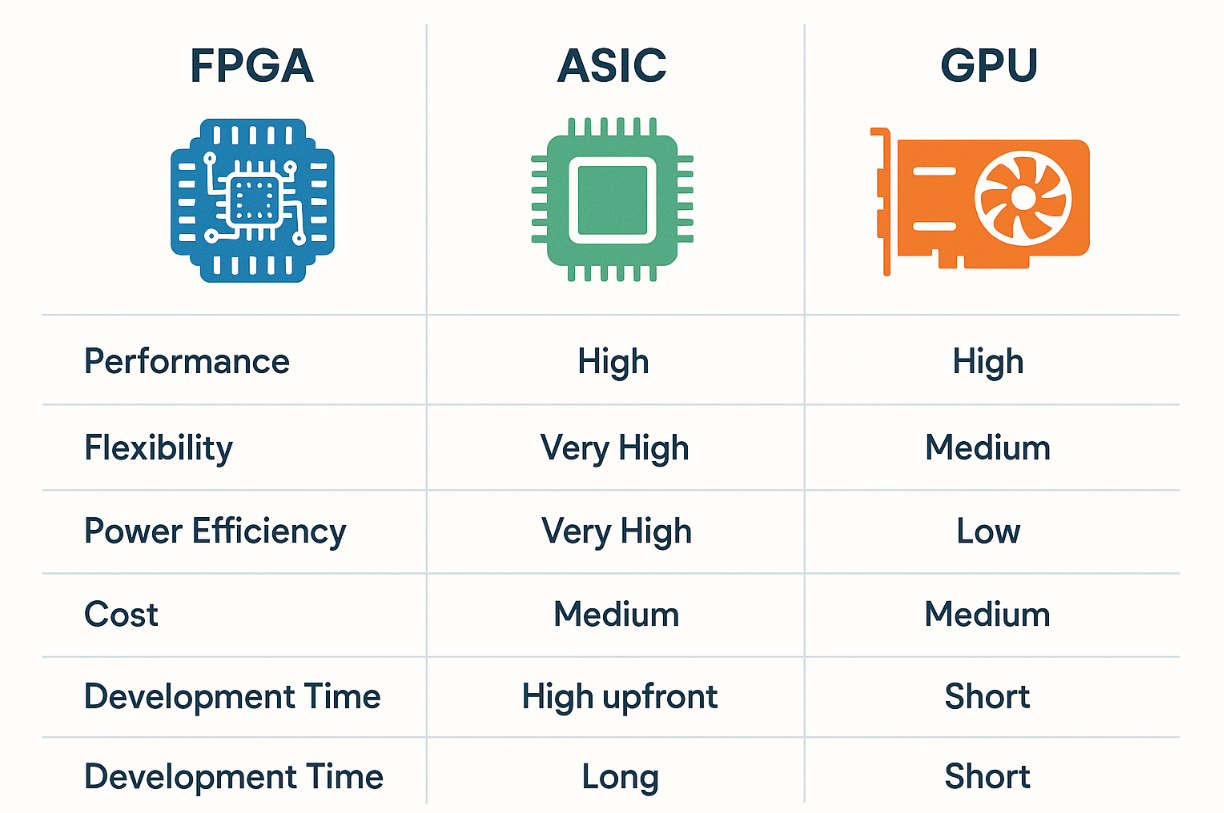
When the masses arrived, things changed. GPU, FPGA and ASIC manufacturers raced to meet the demand, and the race was won by those who could produce the most silicon for the least amount of money. The hobbyist who put together his first rig in the closet above the garage was suddenly facing an uphill battle against armies of capital and expertise.
Bitcoin “mining” continued to be an exclusive pursuit of those who knew what they were doing, but the goalposts had shifted to accommodate the shifting difficulty. Those who had successfully navigated the early labyrinth of mining technologies and methodologies were now faced with an entirely new challenge, which had very little to do with computation and everything to do with attrition. The long tail of easy rewards continued to slope downward, away from the pioneers, into the depths of the unknown.
It was only fitting, then, that the 2024 subsidy cut would come and hasten the process. By effectively cutting the BTC rewards in half for every miner, it created a Malthusian anarchy between them. Transaction fees were not enough to sustain a large operation through the culling period. The network difficulty and hash rate acted as merciless judges, and the ones who survived the ordeal were those who had the talent, time, and determination to get there. It is no surprise, then, that when we look at the state of Bitcoin mining in 2026, we see the conversations dominated by questions of how to extract maximum yield from one’s existing equipment. The dynamics that fueled mining at the dawn of the industry, the promise of new frontiers and reward for thoughtfulness, are long gone. Time and computational power spent on mining are still important, but they have been joined by two new variables: the efficiency of one’s mining equipment and the cost of the electricity used to power it.
This is the great equalizer for Bitcoin miners and the thing that unites them. It is rarely discussed in public, as most miners like to speak about their electricity consumption in scientific terms. How much does the Bitcoin protocol consume, you see, and what does that say about our species’ place in the universe? In reality, most Bitcoin miners are actual miners, and they care about power in terms of cents per KW and dollars per BTC. This is the same reason why the pioneers of the early days did not feel the need to sign PPA contracts with energy suppliers. They simply did not have any. They would run their laptop from the wall socket at home and rarely ever think about where the electricity actually came from.
Geography Is Destiny
Napoleon famously said that geography is destiny, and he was probably right - at least for miners. The same machine, the same software, the same location, the same hash - they all contribute to a miner’s success, but only if you happen to be in the right place. It doesn’t matter how clever or creative or determined your operator is if his power rates are fundamentally unprofitable. He can do ten other things to improve his costs - defer the debt, sell shares, buy cheaper equipment - but if he finds himself in a perpetual war with his bill, he’ll lose, and not for noble reasons. He’ll lose because he’s in Northern Lamp Province and not, say, the more profitable mining-friendly Texas.
Not that the operator in Texas can afford to feel smug. Riot Platforms, one of the largest public mining firms, recently released a report that reads more like a trader’s diary than a miner’s newsletter. Its updates on power credits, demand response, all-in costs, curtailable power, data center developments, and high-density computing platforms reveal a company that is no longer sure of its place in the world. A firm that once focused on competing to produce blocks now finds itself in a different kind of competition - one with its power suppliers and a rising class of other data center operators.
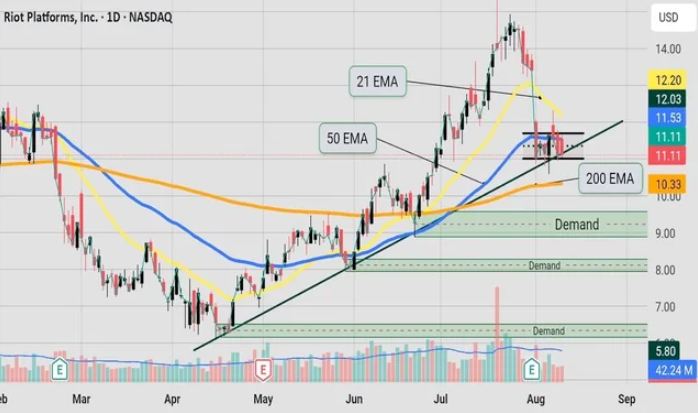
That is why Riot Platforms’ pivot toward high-performance computing and its recent exploration of AI data center capacity are so important. The company is realizing, slowly but surely, that its legacy as a miner may be its best asset for something else. Riot is not alone in this: its peers, including CleanSpark, Core Scientific, Cipher Mining, Hut 8, Bitfarms, TeraWulf, Bitdeer Mining, and many others, are repositioning themselves as either major power consumers or critical enablers of the next wave of industrial-scale computation.
For companies that have built their mining operations around large-scale infrastructure - the land, the power plants, the substations - the pivot is logical. It makes little sense to continue to rely on Bitcoin’s unpredictable rewards when demand for data centers is rising. Renting out space and power in droves can help offset the costs of operations, especially as Bitcoin’s margins continue to shrink. For firms like Riot, leveraging its network effects across other power-heavy technologies means less reliance on the vagaries of Bitcoin’s price and more control over its input costs.
The irony is not lost on many within the industry that Bitcoin mining has become its own version of an industrial landlord. The company must do everything it can to become more competitive as a supplier and take advantage of its unique position as the consumer of last resort. It’s not easy, but it is necessary if it wishes to survive in a world where the competition for electricity is intensifying by the day.
Two Miners, Same Bitcoin, Different Planets
Let’s say there are two mining companies. One is a real mining company: large, public, with big power contracts, an experienced energy team, high-end equipment, competent managers in capital markets, friendly regulators at the local state government, and access to flex loads that allow it to curtail its power consumption needs when the grid needs it most. When the going gets tough, it can sell some of its bitcoin, issue new shares, refinance its debt, and even monetize some of its capacity by transitioning part of its operations to a data center industry. It has many levers to pull and options to consider: even if it has a bad quarter, it might still last another year.
The other is hypothetical, but only barely. Let’s call it Northern Lamp Mining. It was born in a bull market on a terrain where electricity was not particularly cheap, labor was costly, permits were scarce, and the grid operator growled when the farm’s generators growled like a small city. Northern Lamp purchased fine machinery, hired competent engineers, held conferences about discipline, and invested in the narrative that scale will save it. Then came the halving, rising difficulty, falling prices, and the painful lesson that even the best intentions do not reduce the monthly electric bill.
Both companies are mining the same blockchain, but that is where the similarities end. There is no special altcoin that would give preference to the exploited miner. The block reward is the same, the script is the same, the hash is the same, the value of each is dictated by the same algorithm. The only difference is the electricity bill, the payroll, the cooling costs, the maintenance, the interest payments, the taxes, the curtailment, duties, and risk exposure.
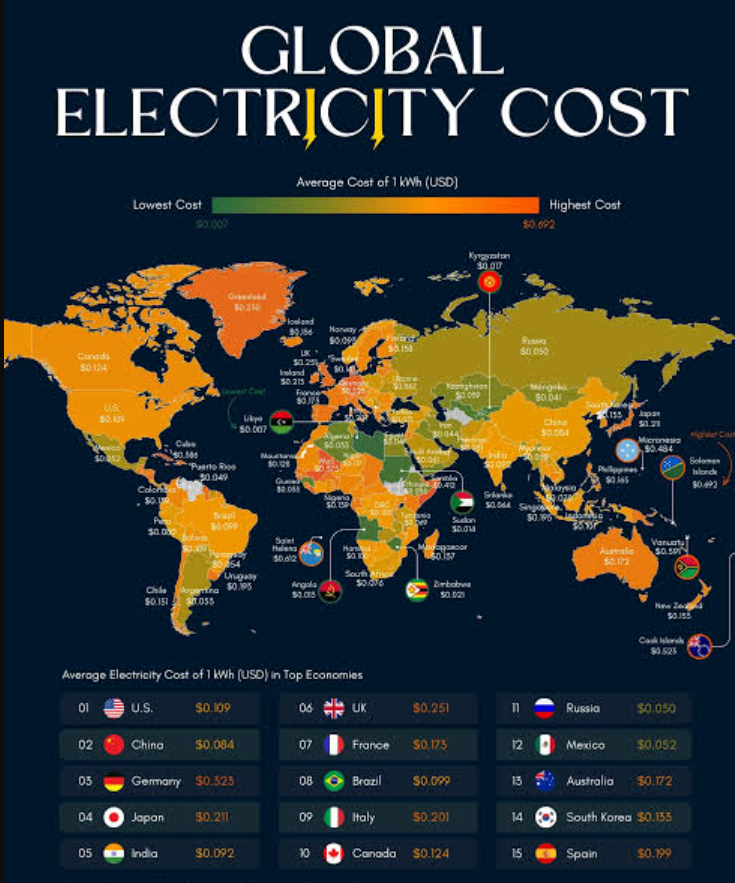
The cheap-power company edges out its more expensive counterpart by virtue of having cheaper power. If this company also has cheaper labor, better political connections, and a favorable grid to invest in, it edges out comfortably, buying modern equipment while the other company buys used to pay off its debts. It survives a period of low hashprice volatility by selling its coins at a discount while the other company buys coins at a premium to sell at a discount. It has a strategy, while the other company has a conversation with its creditors.
The problem is not easy to solve, but it is easy to fantasize about in the crypto press. The delusion is that the mining operations are easily portable like an Excel sheet from one jurisdiction to another. It is not. It takes a lot to build a profitable mining operation, and it takes the same to dismantle it, even if the machines can be sold. The equipment, the infrastructure, the logistics, the legal risks, the staff, and the political connections to local governments are not easily moved from one continent to another. This is why survivorship bias is so prevalent in mining - the company that survived the last round of upgrades, rate hikes, and regulatory crackdowns will always paint the next round as a result of hard work, skill, and strategy.
Governments Discover the Meter
The same governments that recognized the potential of mining to consume electricity, however, discovered the reverse effect - that the ability to sell electricity in the form of mining rewards can be a lucrative source of revenue. A government with excess hydro capacity, stranded gas production, seasonal overgeneration, or undersized electrical infrastructure can look at the prospect of attracting miners as a way to monetize the resource. In many ways, Ethiopia is the most fascinating mining jurisdiction of all, as the domestic crypto stampede gathered momentum at the same time as the completion of the Grand Ethiopian Renaissance Dam. The hydropower project created a vast capacity to generate electricity, which, for obvious reasons, the country wanted to monetize. However, the domestic electricity market was limited, and the government looked at the prospect of selling electricity to miners as an attractive source of hard currency.
The situation is not as simple as it sounds because it involves the most critical resource known to mankind - electrons. While the Ethiopian government has the best intentions to use the wealth generated from mining to fund the national grid, the sight of mining warehouses lining the countryside can appear anathema to the local population who still live without reliable access to electricity. It is the same moral dilemma that has played out in many developing countries as foreign mining companies arrive to set up operations using subsidized electricity. The argument in favor of mining is that it often consumes surplus and stranded electricity, as well as lower-tariff power, which is, therefore, not used elsewhere. However, if the utility is the one selling this electricity to the miners, the value of this electricity is not zero, and there is a cost to its diversion. Moreover, time and again, utilities have discovered that flat-rate electricity contracts to industrial consumers are not conducive to the long-term health of the grid, especially if demand is seasonal or concentrated in a few large consumers.
The Ethiopian case is a morally ambiguous one, which makes it a real one. On the one hand, authorities there have every right to claim that they are reinvesting the money earned from the mining activities into the development of the regional digital economy, attracting strategic partners to participate in the technical upgrade of the utility, and profiting from the resource extraction to fund further operations. Furthermore, the state is now capitalizing on its role as a major supplier by adopting a more predatory stance toward equity and profit distribution, attempting to circumvent the influence of foreign partners.
Meanwhile, the simplest moral argument has to do with the fact that as long as there are people in Ethiopia who do not have constant access to electricity, seeing warehouses full of machines devouring gigawatts is nothing short of obscene. Naturally, the mining companies are the first to explain that they consume only the excess that would otherwise go to waste. In some cases, this may well be true, at least until the dry season sets in or the local utility finds itself in need of the capacity. When the time-of-use rates and the availability tariffs displace the flat-rate discount, it can be disheartening for those who have made a life out of taking advantage of the cheap electricity. Yet, it is no less disheartening for others to see their hard-earned income funneled into financing multi-billion operations under the veil of philanthropy.
Other countries have engaged in similar moral arguments. Kazakhstan has seen a wave of mining operations emerge as a result of the Chinese clampdown in 2021, only for the government to impose additional restrictions later in the year as the strain on the grid became unacceptable. Thus, the local authorities are now leaning toward regulation and licensing with the introduction of surpluses, quotas, and state ownership. In Russia, industrial-scale mining is legal and even encouraged to a degree, yet the practice is largely restricted in energy-deficit regions or during peak hours. Meanwhile, Iran allows legal mining but actively shuts it down whenever the grid requires support, with unauthorized operations being treated as electricity theft. Paraguay has the appeal of hydroelectric power, yet its utilities are notoriously fickle when it comes to electricity prices, and the local law enforcement remains strict with regards to unauthorized connections.
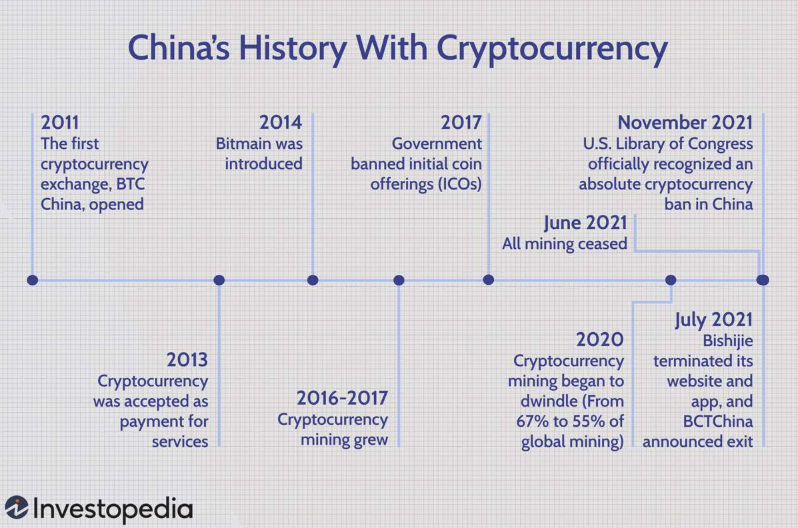
Finally, the ban in China has pushed the hashrate overseas, while New York has prohibited proof-of-work operations fueled by natural gas, and Texas has positioned itself as a pro-mining state due to its competitive spot-market dynamics and political culture. Overall, in each case, it became evident that simply relying on low energy prices was not sufficient to satisfy the demands of both miners and the local authorities.
When the two parties are at odds, it is either regulation, protection, or resentment. Either way, the cheap power tends to bring in miners, who, in turn, make that power expensive or at least subject to specific conditions. The companies that have invested first and the ones that have benefited disproportionately can boast about their achievements. Still, the average Joe, who now has to pay more for his electricity, may not be as enthusiastic about the prospect of big business buying entire warehouses to keep his neighborhood in the dark. It has nothing to do with opposition to technological advancement and everything to do with a sense of unfairness over the fact that his monthly budget cannot keep up with the costs.
Cheap Power, Expensive Consequences
The environment is another morally fraught issue at the center of the debate about mining. After all, the most common refrain from the detractors is that Bitcoin and other cryptocurrencies are an egregious waste of energy, period. Meanwhile, the proponents will argue that crypto uses only the electricity that would otherwise go to waste. As always, the truth is somewhere in between. Some mining operations indeed take advantage of the excess renewables, stranded gas, and flexible loads, thus shaping the grid in a particular way. Yet, the same electricity can be used to power regular homes or businesses or the electric vehicles set to replace them in a decade. There is nothing wrong with a company choosing the cheaper source of energy, but when it comes to using the term stranded for curtailed wind or solar, it becomes increasingly difficult to separate economics from ethics.
The same megawatt can be presented as stranded by one PR executive while another desperately needs it to serve a village, a hospital, or a factory that was never built.
An average Joe does not think about the mining company’s investor conference – he thinks about his ability to pay rent, buy food, and fuel his Toyota. Payday comes, along with the usual bills – electricity included. The Joe is confronted with the prospect of another month of being somebody’s resource, but he is hardly reassured by the promise that this time it is for a virtuous cause. If there is an argument to be made about the fairness of the deal, it is not in favor of the distributed ledger technology – it is in favor of the local business owner who managed to secure a better contract than the Fortune 500 multi-national that just built a server farm in his town. This is an existential consideration for the average Joe, and the rising capital expenditures of the crypto-mining industry are not making him feel safe. At all. If anything, they are putting additional pressure on an already strained psyche. Because now the Joe also needs to factor in the competition from the AI industry – the companies that want to buy the same electricity to power their neural cloud farms, which are poised to make the nations competitive in the technology race – or so say their lobbyists. To be able to actually do something useful, but to be dependent on the Bitcoin network as a platform – to pay for the privilege to make transactions, as it were.
It can already be seen in the way the public mining companies are positioning themselves. CleanSpark is still able to describe itself as a Bitcoin mining company, but the language of its power sales is reminiscent of the data center industry’s lingo. Core Scientific’s CEO is speaking publicly about the potential to host other compute-intensive industries, after his company emerged from bankruptcy as a Bitcoin miner with a relatively significant hash rate. Riot’s Rockdale and Corsicana projects, once turned from a mining endeavor into the power-campus development, are no longer relevant exclusively to Bitcoin. Bitdeer’s decision to sell-off some of its Bitcoin holdings to finance expansion, or its competitors’ willingness to use their reserves as collateral for the margin loans are all signals pointing to the transformation. When the margin becomes too thin, the dynamic shifts – the Bitcoin miner is transformed from a digital asset industry participant into the electricity provider of sorts.
Not that the dynamics have stopped being socially disruptive. On the contrary – as the mining industry becomes more capital-intensive, it transforms from a resource to a liability for the communities trying to accommodate it. While the miner still promises to shut itself down in case of a local emergency, the AI data center is not as flexible in its commitment to being a good neighbor. A mayor who allowed the crypto excavation to proceed because he saw its capital expenditures as beneficial to the region now finds himself in a tough spot – the new customers are not as conducive to the social fabric. And the ordinary citizen is the one who suffers from the technical nuances – he opens the electricity bill and begins wondering if he will be able to afford his children’s tuition at the local public school. These are the dynamics of the resource allocation, the same as always – but now there is a Bitcoin network layer in the middle to complicate the conversation.
At the level of individual citizens, the discussion about the right to electricity is beginning to resemble the phrase ‘to hell with you, got mine’. The miner is shouting about the cheap power, the AI representative is explaining that they are at the cutting edge of the innovation, the mayor is talking about the jobs and the regional competitiveness, and the utility company is quietly adjusting the rates. All the while – the Joe is looking at the electricity bill, which is slowly becoming impossible to pay in full.
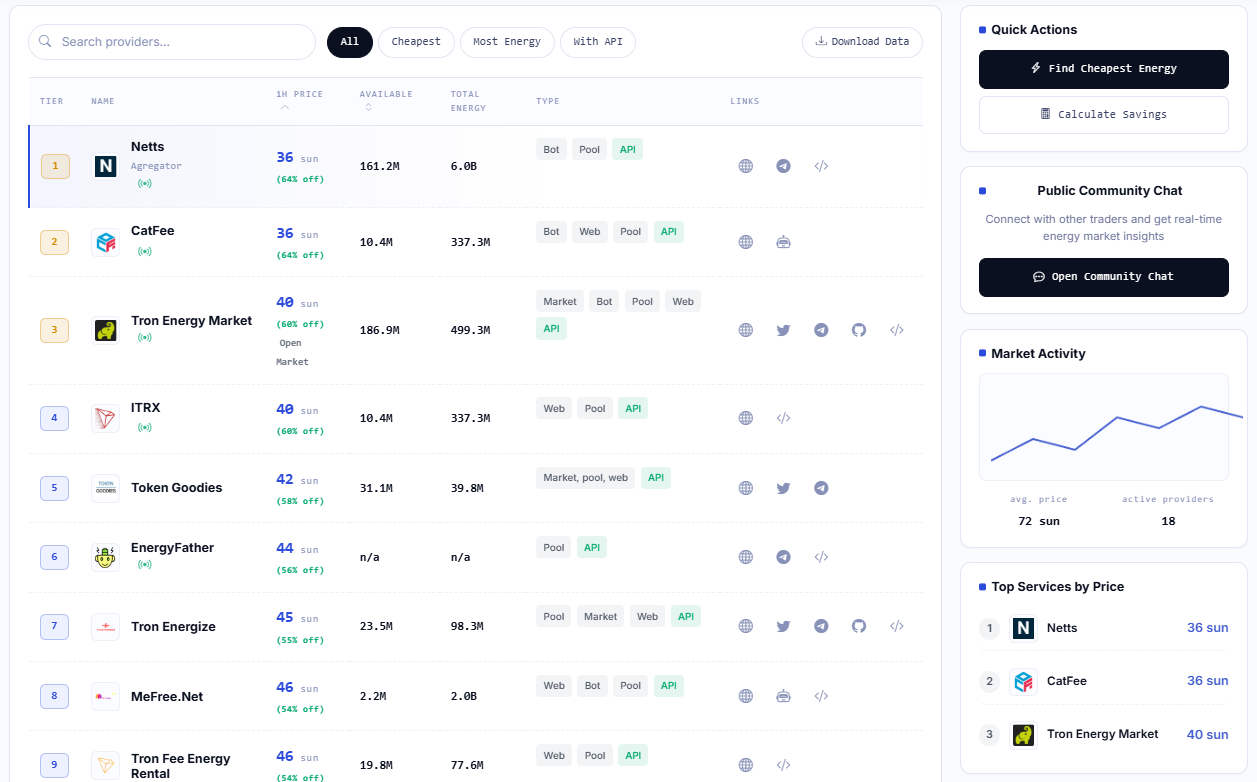
That is why it is worth noting such tools as Netts.io’s TRON Energy Market, which allow everyday users to save on TRON Energy by comparing prices in real-time. For instance, the sample data snapshot shows the figures for Netts and CatFee around 26 SUN in the TRON Energy Markets, with Energy per TRX around 9.46, and 8,624 Energy needed for one transfer. Thus, users who wish to get TRON Energy, use TRON Energy buy options, or rent TRON Energy may use this information to choose the provider wisely and save on Energy. On the other hand, they should remember that TRON Energy and Bandwidth are real expenses that will affect the bottom line.