Best and Worst Countries for Crypto Users
This guide goes through the best and the worst countries for crypto users, with further thinking into their policies.
The variety of people using this technology is as diverse as the technology itself. While some nations were open to digital assets, which can be advantageous for innovation and adoption, others instituted rapid regulations or bans on this technology. For anyone engaging with crypto, whether that be using it, investing in it or building on it, these differences are absolutely crucial. This guide goes through the best and the worst countries for crypto users, with further thinking into their policies, and how services like the Energy Market from netts.io provide worldwide access to blockchain resources.
Digital Safe Havens of Cryptocurrency: the Land of Crypto
There are just a handful of nations that have become true safe havens for crypto. The ones which provide regulatory clarity, tax incentives, and an open-door policy to blockchain innovation. Among the most notable are:
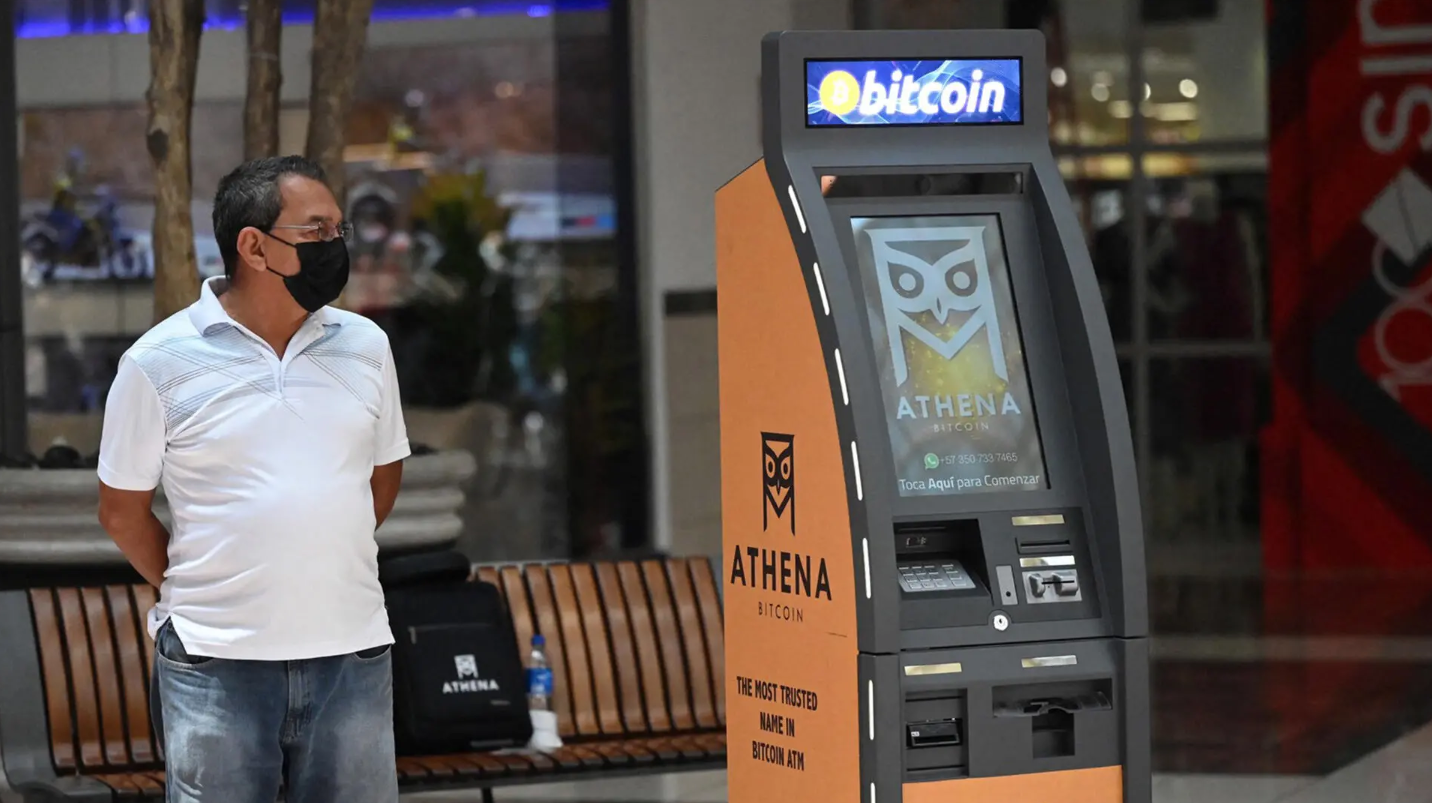
El Salvador: the nation's decision to adopt Bitcoin as legal tender was major news. Citizens can use them for regular purchases, pay taxes and invest in government-backed Bitcoin bonds. The government shows continued commitment to crypto development, with projects like Bitcoin City, powered by geothermal energy. This, of course, is very attractive for investors and digital nomads because any Bitcoin transactions are not subject to capital gains taxes. Attracting international attention with Chivo Wallet (sponsored by government in an app) achieved millions of downloads along with the various global crypto conferences held in the nation.
Portugal: Portugal is not the first country that springs to mind, being in Europe, where progressive tax works differently than, for example, in the USA. Capital gains on crypto are not taxed unless trading is a person's primary professional activity. Which, on one hand, creates a high-energy crypto environment, especially in Lisbon & Porto. Many blockchain startups and remote workers have flocked to Portugal and for good reason — the government has made their stance on crypto and blockchain very clear and Portugal is an awesome place to live. Portugal has been adopted by more businesses that accept crypto payments and the yearly Web Summit, which is one of the biggest meeting places for the world's blockchain professionals.
Switzerland: Zug, is a Canton in Switzerland nicknamed as Crypto Valley where numerous blockchain companies are located around the world. Switzerland is another country that has a relatively simple regulatory environment, where personal investments in crypto are typically exempt from capital gains tax. Thanks to its strong financial infrastructure and open-door policy to innovations, the nation has emerged as one of the blockchain centers in the world with over 1000 companies located in this country. There are crypto custody and trading services at Swiss banks, some municipalities are even accepting taxes in Bitcoin and Ether.
In little to no time, the UAE's Dubai and Abu Dhabi have become crypto business capitals. A great framework regarding digital assets is being made available by UAE Virtual Assets Regulatory Authority (VARA), and in blockchain-friendly free zones (e.g., the DMCC). Zero income tax for residents, zero corporate tax and the government encourages some adoption of blockchain with conferences and incentives. In recognition of the above, the annual Future Blockchain Summit takes place in Dubai and the city has become the hub for dozens of exchanges and companies.
Singapore: Building out a regulatory bottom line for crypto, Singapore is stable and evolving in a positive direction. Singapore is well known for its zero capital gain tax on crypto investment and to have a large blockchain community. The widespread adoption of a clear legal framework allowing businesses to operate on the island and a supportive ecosystem is drawing eyes (and wallets) of major exchanges and non-exchange blockchain firms to set up operations over here. That perhaps puts it on more solid legal ground with the Payment Services Act, and the city is also a launch-pod for many crypto-projects looking to go Asia-wide.
Germany: Germany is emerging as a European Crypto titan. Cryptocurrency that individuals hold for longer than a year is tax exempt, and the country has also licensed a number of banks to provide crypto custody and trading services. The German government has funded training, education and even some research in blockchain with many blockchain startups in Berlin and Frankfurt. Germany, on the other hand, is very attractive to retail and institutional investors due to clear guidance from the BaFin regulator.
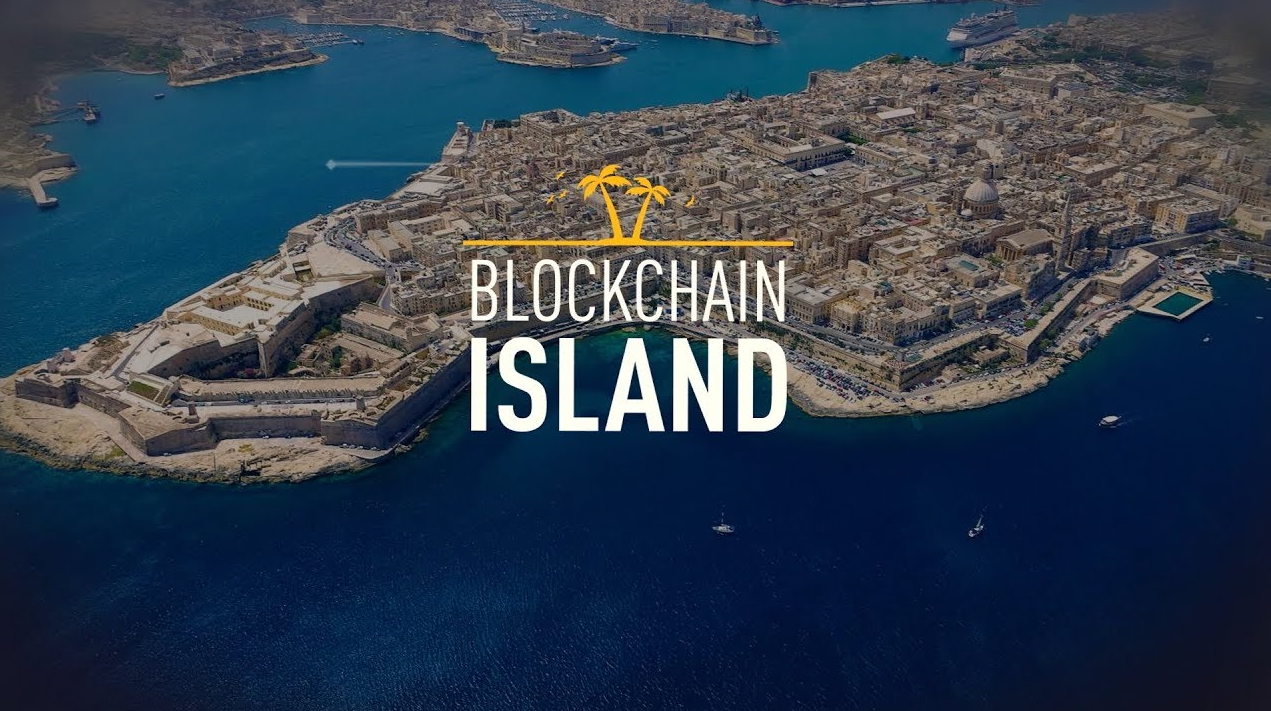
Malta: Malta has done a lot to attract crypto companies by creating the same regulatory regime known as "Blockchain Island". Including citizenship by investment, crypto tax incentives and a pro-blockchain government. It contains large brokerages and world blockchain conventions.
Estonia: The e-residency program and an overall pro-business, digital-first government provides Estonia with access points to the nomadic lifestyle that make it a classic destination for crypto entrepreneurs. In addition, it clarifies licenses for exchanges and wallet providers and leaves your digital footprints free for conducting business activities. Estonia is home to many startup companies from all over the world due to its progressive social system.
Hong Kong: despite political change, Hong Kong still remains in the top tier of crypto locations in Asia. It comes as exchanges now require a license while a central bank digital currency gets developed. Blockchain is rooted in the city's financial industry itself, while an increasing number of businesses are gradually accepting cryptocurrency payments.
Canada: many consider Canada to be one of the most mature landscapes for crypto in terms of regulation, including licensed exchanges and clear tax guidelines. Understanding that blockchain innovation occurs in hotspots, based primarily in Toronto and Vancouver, and pension funds in the country have leveraged funded crypto assets. The Canada model is a good compromise between consumer protection and innovation support.
Australia: what is a Cryptocurrency Under Australian Law? Melbourne and Sydney both feature active blockchain communities, while the major banks in the country embrace crypto businesses. The government has funded blockchain research and pilot projects in the supply chain and finance space, as well.
Brazil: puts Latin America at the forefront of crypto adoption. Crypto trading is legal, and the country is also working on a central bank digital currency. A part of the population that is unbanked has moved to cryptocurrencies such as XRP, Bitcoin and major retailers have enabled crypto payment.
Nigeria: has the largest volume crypto market in Africa as a whole. The government has also rolled out a CBDC and is seeking to find a balance of regulation but also nurture the crypto sector. Trading activity is mostly peer-to-peer, while crypto is used for remittances, store of value, and merchant.
South Korea: the country is really on the forefront of all technology and digital finance. The exchanges are licensed, the transparency is high, the government acts tough against any anti-money laundering, yet, it encourages the blockchain innovators. The number of exchanges and blockchain projects happening in the country is shocking so it draws a lot more younger investors into crypto.
Japan: as the first country to genuinely regulate crypto exchanges, Bitcoin has been recognized as legal property in the country. The country has a strong sense of innovation and many companies have been adapted to use crypto. It holds important conferences and research centers, supervised by the Financial Services Agency of Japan.
In addition to the aforementioned leaders, others are taking what steps they can to prepare a bullish outlook for crypto. One case in point: Georgia has turned into a mining giant thanks to low-priced electricity and friendly regulation. Ukraine is pursuing crypto legalization and a digital economy with blockchain at its core. Low taxes and a friendly government are luring miners and exchanges to Kazakhstan. This bodes well for the crypto future in these countries as they are all ramping up on education, infrastructures and legal clarity for their citizens.
Why Some Countries Are Crypto-Literate
There are several factors that can make a nation crypto-friendly. The blockchain is, for some governments, the key to attracting investment, creating jobs, and the future economy. Others see the ability for transparency and efficiency digital assets could bring to financial systems. It can be a financial inclusion tool for unbanked citizens, for example, in El Salvador, where Bitcoin was adopted as legal tender, giving a wider reach to digital payments and savings.
In parallel many of the country models that are best-attracting tech innovation, such as Switzerland and Singapore, are rightfully aligning themselves with the blockchain.
Difficult Countries for Crypto Users
But there is also a shortage of hospitability towards crypto in many nations. In fact, others have taken a harder path, prohibiting or heavily restricting digital assets. These has ranged from financial crime and market fluctuation issues on the one hand and natural in or ideological aversion to cryptocurrency and other private-issued currency on the other. It follows that some of the most hostile environments for crypto users is:
Afghanistan: The Taliban Afghanistan government has banned all crypto activities since 2022, prohibiting them as haram (e.g., morally prohibited) under Islamic law. This has led to a high-risk scenario where all digital asset users and holders operate, as exchanges have been shut down and traders arrested.
Iraq: Iraqi Central Bank prohibits crypto affairs and prevents banks from dealing with crypto. This leads to a high risk of lawsuits and drives speculation underground.
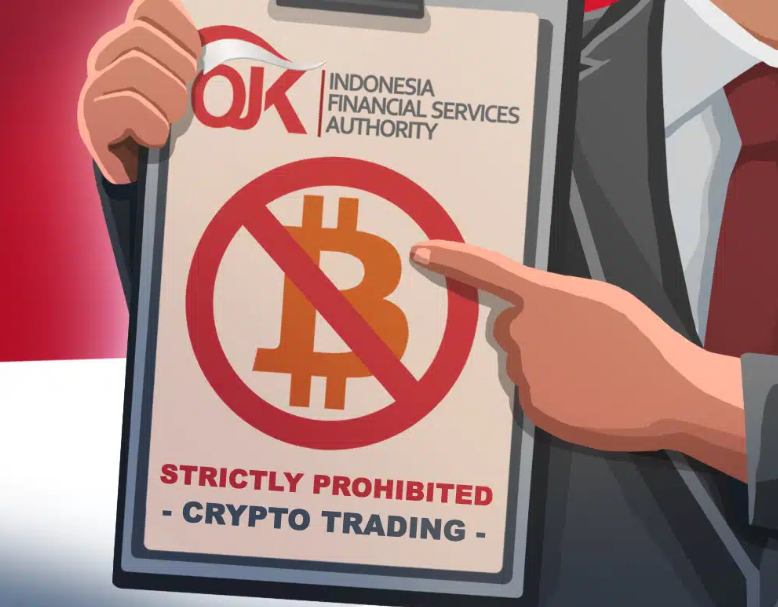
Indonesia: the Bank of Indonesia banned cryptocurrencies in 2017 and a 2021 religious edict declared that cryptocurrencies are haram, or "forbidden". Everything is controlled by the central bank and crypto is severely restricted.
China: not the only one placing a ban, but China's crypto-mining & trading crackdown is likely one of the most extreme. However, it will not be easy to enforce, but the government has already hinted that the sharp law is aimed at problems like liquidity crunch, capital flight, etc. They have also banned crypto mining, and exchanges have also been banned from offering services to Chinese users.
India: perhaps the most unpredictable regulatory landscape anywhere, where the government routinely threatens with bans or severe taxes. There is no ban on crypto, but mind-high taxation rates without regulation have preceded many traders staring at p2p. Despite Reserve Bank of India launching digital Rupee, the private cryptocurrencies are under continuous scanner.
Turkey: banned crypto for payment and imposed strict regulations on exchanges. The government says all this action stems from the fears of being financially unstable and defrauded. Nonetheless, crypto continues to be pursued as a hedge against inflation, users exist in the anxiety of sudden reshaping of policy and shutting down of exchanges.
Russia: legalized crypto ownership, but banned it for payments. And for those who use crypto, there's an even greater danger from political instability and sanctions.
Egypt: banned crypto and the Egyptian central bank banned crypto trading and its religious authorities said it is haram. It's a law that is strictly enforced with legal penalties.
Bolivia, Nepal, Tunisia: these countries have banned crypto altogether with strict penalties for violators. The story lines range from fears of capital flight to outright religion.
Saudi Arabia: recently, the authorities have been careful of crypto trading, and also, there is a ban on registering exchanges. Some peer-to-peer trading might take place but there will be huge legal risks to users.
Algeria, Morocco and Bangladesh: in these countries, crypto has also been banned or severely restricted, with justifications related to a fear of financial crime or disrespect to Islamic law.
This is all the risk crypto users in these areas can take — from freezing accounts to fines and imprisonment. Combined with no legal safe-harbors and the threat of punishment, these are the most draconian nations in the world when it comes to digital assets. The ones that do not outright ban crypto prefer to keep the users and companies on their toes, and uncertainty, risk and danger comes with monetary investment.
Renting Energy on TRON: a Worldwide Good
Thus, TRON Energy is an important tool to allow people from everywhere to process crypto transactions quickly and efficiently. In the TRON network, Energy is a resource for calling smart contracts and transferring tokens. In the past, users were required to freeze TRX to generate Energy by themselves; however, the emergence of energy rental markets has changed the situation.
The Energy Market by netts.io — an aggregator calculating live the minimum price for renting Energy on TRON. With more than 20 service providers competing against each other to minimize transaction costs by up to 90% for TRC20 transfers, USDT transactions and smart contract operations respectively. Instant delivery, flexible rental periods, and robust API integration to help you manage and automate rentals at scale. Renting Energy on TRON via netts.io gives regular traders, DeFi users and smart contract developers everything they need, no matter which place they chose to explore!
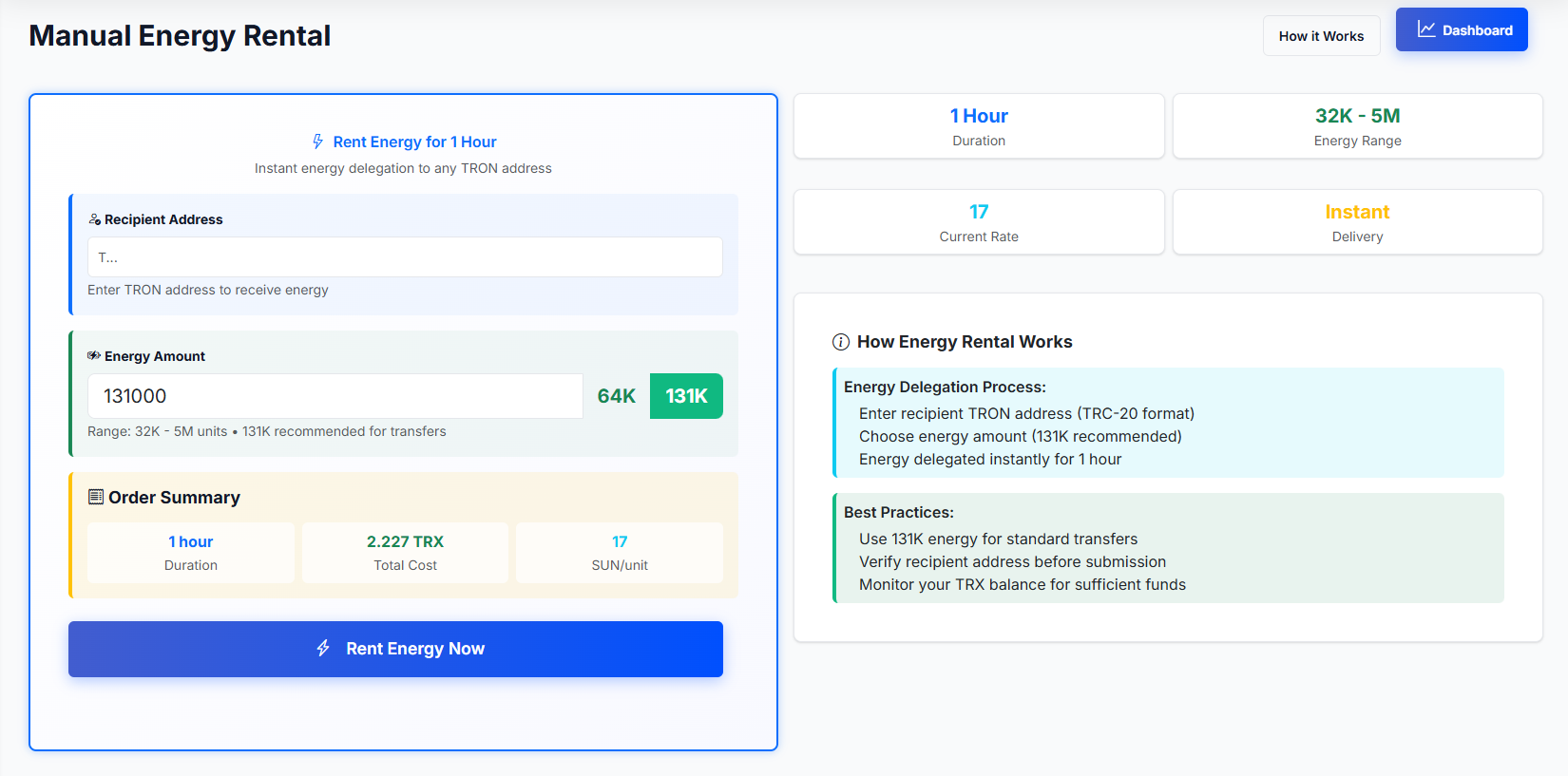
E.g. a Brazil user rents TRON Energy and can send USDT to his relatives abroad, but avoid the cost of intermediary fees from other remittance services. With rented Energy, a developer in Estonia is able to deploy and test smart contracts without the need of staking large sums of TRX. In certain nations with high regulatory restrictions, users can also use the Energy Market through netts.io to simplify where legally possible and minimize costs.
Crypto 3.0: Innovation without Borders
The shifting sands of crypto leave it near impossible to say if it can maintain that or if the gap between best and worst may widen further. That having been said, global platforms and decentralized services are still creating an opportunity to enter the digital economy without adhering to local regulations. Stay updated and make the most of the energy market by netts.io. As blockchain tech is embraced across the world, netts.io helps crypto users navigate the challenges of global law and unlock their blockchain potential, wherever in the world they are located.
Signals to watch: central bank digital currency, government blockchain, and Energy rental market (which we can see from TRON). Maybe now in countless more countries, there will be a gradual shift toward more progressive and positive environments for those digital assets. Regulation can change on a dime, so users themselves must also be vigilant and agile.
In short, there exists crypto tolerant countries, and countries which are still hostile, or at least poor at stating which way they might go in future. What matters to the users, is to be aware of what the risks and what the opportunities for each territory – and then to do their best from the cross-border solutions. The world of crypto is still open to anybody but you just have to have the right tools or information.