App Store Gatekeeping of Crypto
App stores now decide which crypto wallets may live on your phone — so pocket money still waits on a stranger’s review queue.
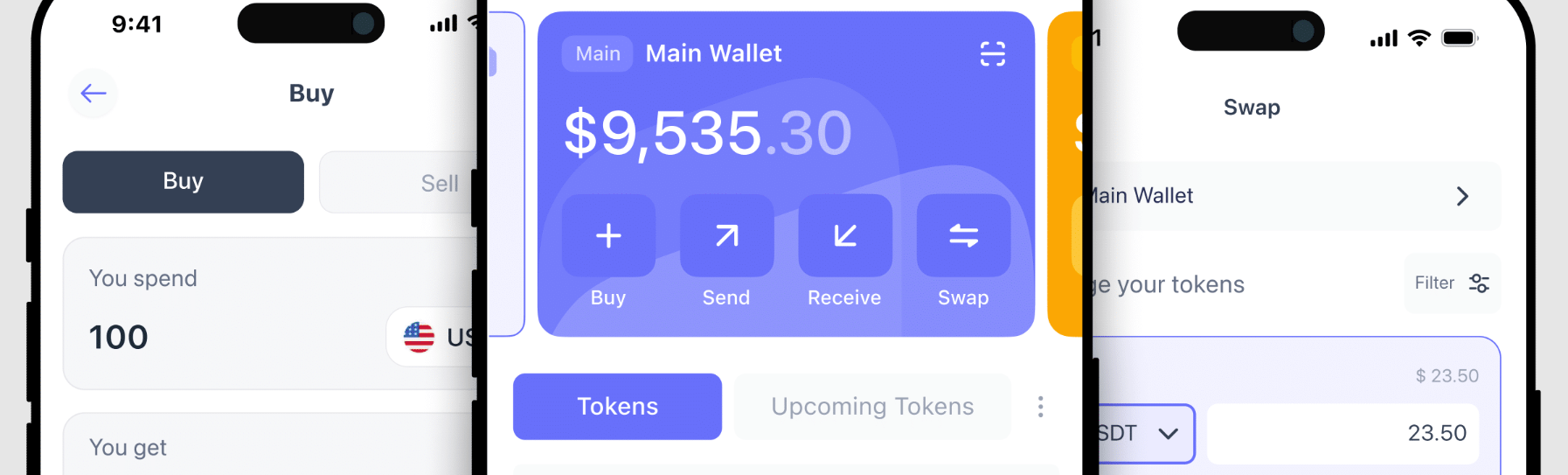
A subtle sense of shame lies at the heart of today's crypto culture. When someone uses money they have earned honestly to buy a phone, sets a passcode, downloads a wallet, and then treats the setup as if it were private property, the screen feels warm in the hand, the balance can be seen, and the seed phrase has been written down with the same seriousness as a will. Yet the software which enables the money to move exists only since some corporation decided that this particular arrangement of pixels should be allowed to remain on that particular piece of glass.
That marks the first breakdown. To own metal is not to have the right to use it. Desktop computers still have a lingering memory of the earlier concept — that you are free to install programmes, compile them or drag them into a folder. Although a laptop might be full of spyware and bad practices, it at least ceremonially assumes that the user is old enough to handle it. A phone, on the other hand, doesn't make that assumption. A phone is like rented attention with a purchase receipt attached.
Picture a trader who taught himself about crypto using a badly worn Windows computer in a flat that he had rented. Instead of getting the wallet software through official channels, he installed it the way people once used to install music players — by downloading it from a website, from a friend, or from a zip file that had a slight hint of illegality about it. He lost money, then recovered, and eventually learned to avoid clicking on anything that looked particularly flashy. The experience was instructive since the machine itself never challenged him on ideological grounds; it only tested him on his competence. Many years later, the same trader opens an iPhone and finds that competence is no longer the main criterion. The new criterion is compliance. The wallet which he trusts on his desktop simply can't be transferred to the phone because the store has its own views on financial risk, brand risk, and the kind of liability that causes lawyers to have a bad night's sleep. He is not really being protected against his own foolishness but rather being enrolled in someone else's sense of comfort.
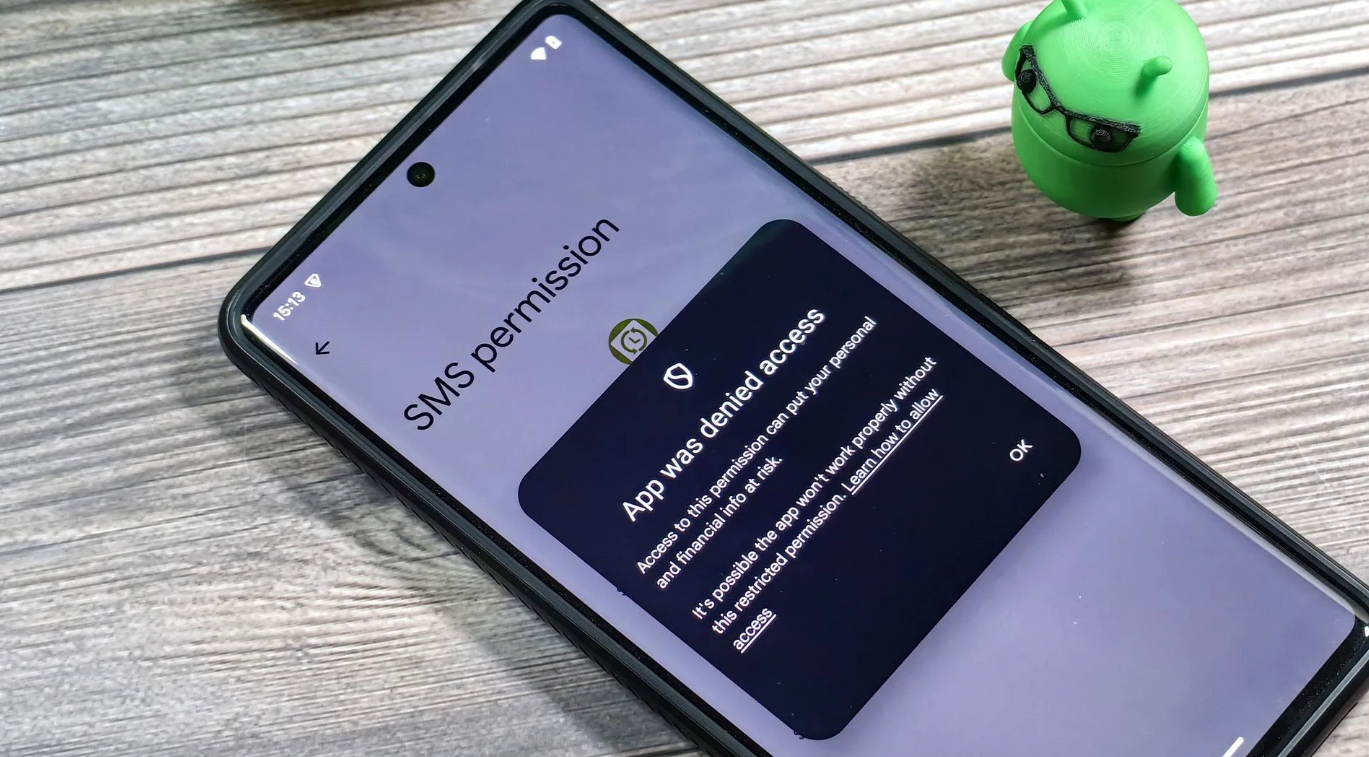
Previously, Android users looked down on this. They thought that their green robot still offered a choice. But then the idea of choice started to involve all sorts of paperwork — such as verification, complicated procedures, and warnings that regard direct installation as something unusual rather than the normal thing of putting a programme on a computer that you've paid for. The point is that the way the device is presented is more important than the advertising. Once the open phone begins to speak in the language of carefully curated safety, it is no longer in competition with Apple on the issue of freedom; it is instead competing on who can appear more parental while still selling dopamine.
Desktop Versus Pocket: Same Desire, Different Cage
When working on a desktop, cryptography has a rather tedious atmosphere. The interfaces are ugly, the browser tabs are there, and the extensions seem to have been designed by individuals who dislike beauty. You sit down and make your decision; you can open a terminal and for a short time feel a sense of power, even if the only reason for doing so is to feel powerful for a moment. The computer functions as a workshop and since workshops are dangerous, people who are concerned about money eventually pick up the appropriate workshop etiquette.
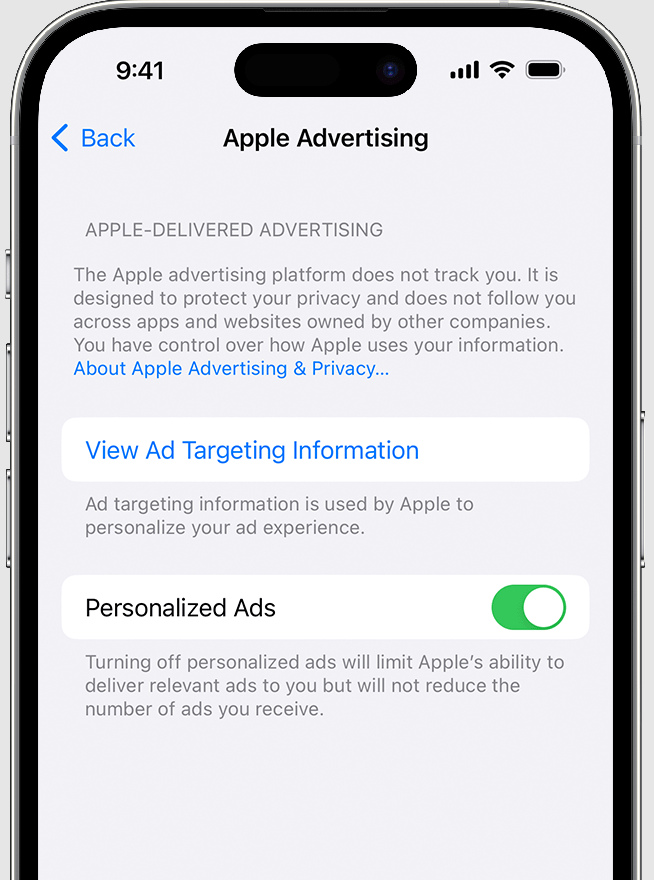
With a phone, cryptocurrency has the feel of a strong desire. You get a notification as you're going to the supermarket. The graph jumps up while you're waiting for the elevator. A friend forwards you a screenshot of a coin that could either make or break your year. The small device is designed to encourage impulsive behaviour since such impulses are profitable for the platforms. This isn't really a conspiracy so much as a business model disguised as something human. The same company that wants you to keep scrolling on and on also wants to decide which money apps are good enough to be placed alongside the scrolling. They say the platform "does not track you" - but HOW targeted ads can be targeted without tracking may we ask?
The situation is not just a technical one; it's also a psychological one. Desktop crypto requires intent, while mobile crypto requires only availability. Intent can be developed through practice, but availability can be taxed. Whenever the gatekeeper is positioned between availability and money, each refusal amounts to a subtle tax on one's sovereignty. People do not perceive this tax as a political issue; they first feel it as an inconvenience, then as resignation, and finally come to believe that this is just the way phones work.
Picture someone who sends money to their family using USDT. When they do this on a laptop at night, it's an awkward process which they still manage to complete: they have to compare the various routes, check the fees, transfer the value, and then go to sleep. However, when the same person attempts to carry out the transaction on a phone during a lunch break, they need a wallet that has been approved by the App Review, a browser that doesn't lag, and an interface that doesn't demand the patience of a computer. If the store removes the wallet, the lunch break doesn't become any safer. Security theatre is capable of turning freedom into panic and then selling that panic back to people as a product.
Imagine a developer who creates a tool and gives users control over it. On the desktop, getting the tool distributed requires arguing with users, but on mobile platforms it means having to deal with a committee which has different incentives from the developer. That committee is worried about securing headlines, handling chargebacks, interacting with regulators, and the constant concern as to who will be sued when money is permanently sent from an irreversible screen. The developer, by contrast, is concerned about delays, rejection, being forced to redesign the product, and the slow disappearance of the features that had made the product trustworthy. As for the users, they don't notice anything at first — until the day the update button vanishes and the balance remains, left behind a door that can no longer be opened from their side.
Why They Call It Sideloading
Whenever power seeks to hide behind language, neutrality is impossible, and the term "sideloading" is a clear example of corporate linguistics. It implies that there is one correct door and another, questionable side door. It conveys the idea that installing software on a computer which you own is in fact an indirect method rather than the normal one. It indicates that the store is the centre of gravity and that anything outside the store must be seen as an exception requiring warnings, courage, and a special kind of vocabulary.
When you have a computer, you don't sideload a programme — instead you install it, load it and put it there. The word 'side' is included with the intention of making the action seem wrong; it has the effect of conditioning the nervous system and so causes people to feel a bit guilty about something which personal computing used to regard as a normal part of adulthood. That kind of guilt is useful to anyone who benefits from being the only authorised installer.
Apple started off by improving its emotional appeal by providing attractive packaging, introducing seamless payments, and making a moral claim that unknown apps imply unknown risks. Google, by contrast, had taken years to promote the opposite message before coming to the realisation that openness becomes expensive as scams increase and as regulators raise difficult questions. Its present position is well known — safety comes first, followed by verification, and then an "advanced" setting for those who want to make things complicated. The way it approaches the issue is always the same: offer a limited route, call it freedom, and hope that nobody notices that the building is still owned by a single landlord.
Cryptocurrency raises the stakes because, by its nature, it is not willing to accept landlords. In the case of someone using a self-custodial wallet, they are stating that the phone functions as a vault rather than as an account that has been leased. Just as when apps are obtained from app stores, this is equivalent to saying that the phone is like a mall, and malls do not allow every merchant to set up a stall by using irreversible cash. These two statements cannot remain vague forever; one of them has to show the other what it really costs to be permissionless.
Repercussions of a Middleman Who Owns the Install Button
Complete control never appears as tyranny; rather, it takes the shape of quality control, child protection, malware prevention, and brand integrity, as well as regional compliance. Each of these reasons could be accepted by an ordinary person on its own. The fact remains, though, that there is a pattern here — the pattern being that financial tools must pass through a private border checkpoint before they can exist alongside your camera roll.
On iOS the checkpoint is famous for its confidence since apps disappear, various features are scaled back so that the final product appears more like a banking app than a cryptographic one, DEX interfaces learn to hide, redirect or become browser-based routines, and as a result developers are forced to create two versions of their product — one which expresses their own beliefs and another that complies with the review process, while users come to accept that the most important financial software of the decade might have to be treated as a second-class citizen on the most expensive pocket computer they have ever bought.
Android's approach is more subtle and therefore more likely to be undervalued. When the process of direct installations has to follow a theatre-like procedure, when having a developer identity has become a necessary condition for the device to consider software as genuine, and when the term 'sideload' is repeated until it sounds technical rather than political, the open phone becomes a managed phone targeted by nostalgia-based marketing. The people who left Apple in order to gain freedom discover that the freedom they had acquired was in fact just a temporary promotional deal.
The practical effects are quite clear very early on.
1. It is possible for a wallet to disappear from the shelf during the night even though the coins stay there, causing a custody situation that appears to be a software update.
2. A fault on the middleman's side can result in access being frozen, and the appeals process is not a court; it is simply a queue for tickets with no duty to understand cryptography.
The list is short since the harm is not primarily numerical. It is rather anticipatory. Individuals cease to build certain tools because they think they will be rejected. They stop installing particular tools because they believe there is a risk of brand damage. People no longer imagine that a phone could be theirs in the old sense. Imagination is the first thing to be lost in a successful gate.
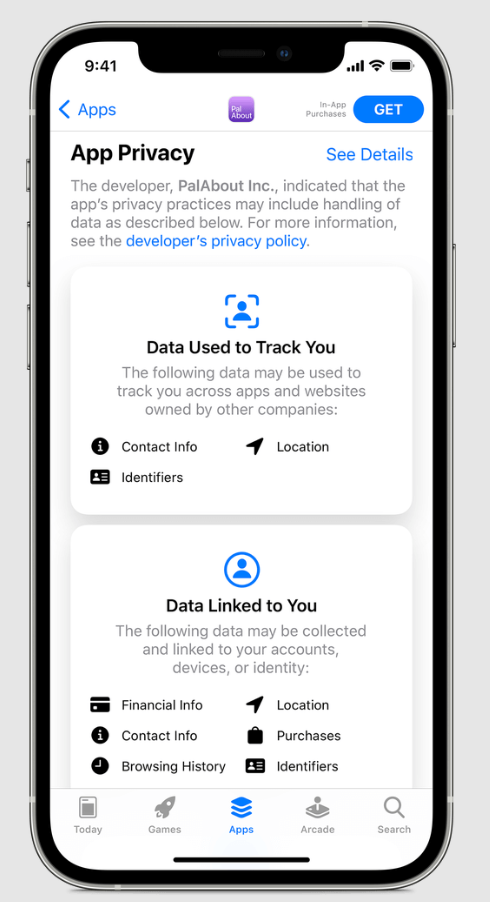
There is also the issue of surveillance, something that polite reviews tend to avoid. Since a company can determine which crypto apps are on your device, it is already in a position close to your financial life that makes it important. It has the ability to see install graphs, crash reports, permission requests, payment relationships, and the behavioural pattern of someone who opens a wallet at two in the morning following a chart move. It does not need your seed phrase in order to influence your choices. Having control over your options is often more powerful than knowing your secrets. Secrets can be hidden but options are social in nature and options show you the kind of person you are allowed to be in public.
For how long will suspicion remain a policy? The truthful response is that the idea of something being "suspicious" is a constantly changing one, set by those who are most afraid of the next news headline. A surge of scam imitations, a political scare, a banking arrangement, or a local law drafted by people who believe that self-custody is a way around the rules — any of these circumstances can turn a wallet into contraband without providing a trial that actually amounts to a trial. In what situation do you make a complaint when the freezer isn't a bank but an app store? You have to fill in a form. A form won't refund transfers that have already been made irrevocably. It won't bring back a market that has moved while you were waiting. Forms are constructed so as to take in anger without acknowledging that the problem lies in the structure itself.
Trading Freedom for Safety and Calling It Maturity
The industry uses the term maturity whenever it actually means enclosure, since maturity sounds as if it is responsible while enclosure sounds like defeat. Hence the narrative that emerges is one in which users are seen as reckless, the stores act as guardians, and anyone who wishes to have the raw install rights must be either a geek or a potential criminal. This kind of story boosts the image of institutions at the expense of adults.
History does not treat that agreement well. Any system which concentrates the power to decide what software can exist always comes up with new reasons to reduce the number of programs. Although the reasons given are genuine, the result of the reduction is permanent. Crypto users should be aware of this pattern since they have themselves experienced the other version of the promise — that money could move without having to obtain permission. To put that promise into a phone which demands a permission slip is not a compromise; it is a joke played at the expense of the person who is carrying the money.
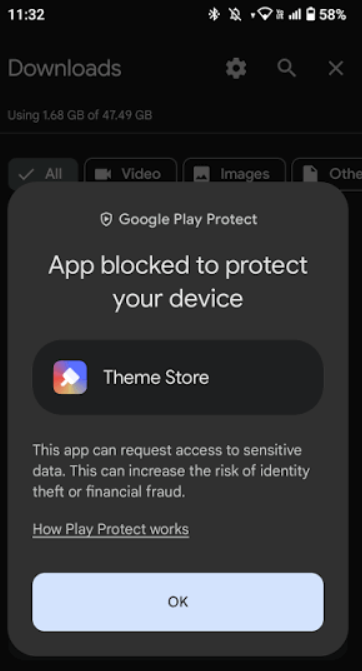
People end up paying top dollar for devices and then jailbreak or root them in order to get the rights which the receipt had implied. That kind of thing is absurd and at the same time it's revealing. The black market in freedom emerges exactly in those places where the official market prohibits adulthood. Some users will always manage to climb over the fence. Most won't. The gatekeepers rely on the fact that most won't. It is among the majority that money is made.
The escape routes are messy and therefore honest. Some people choose Linux phones — though these are awkward, underpowered, and at times beautiful in their refusal to please. Others go for simple phones and do all their serious work on a laptop, the idea being that the phone is only for making calls and that real independence is found at the desk. A third group modifies Android so that it becomes like a private island, even as it watches the tide of policy move closer to the shore. None of these alternatives are currently in fashion. Fashion prefers the sealed slab with the glowing logo. Sovereignty, on the other hand, values friction. Friction is not a bug in this story; it is the cost of not outsourcing your future to a review guideline.
A more basic division within culture is now appearing: one faction is aiming for money that can be locked away through a policy set up in Cupertino or Mountain View, while the other desires money that remains accessible even if the company has a weak quarter, faces a strict regulator, or has an unpleasant vision. The first group will call the second one paranoid, and the second will describe the first as being domesticated. Both groups will keep on buying phones. Just one of them will come to the realization that the phone had never been acting as a safe deposit box; it had only been the lobby.
When distribution is controlled, culture changes since those tools which have to be explained are outcompeted by ones that seem to be banks. Features that put intermediaries at risk are outcompeted by features that are similar to cards and custodians. Although the market still speaks in terms of decentralisation at conferences, the pocket tends to support whichever item manages to survive in the store.
This leads to a certain kind of hypocrisy. Even though people praise self-custody on social media, they in fact keep their valuable funds in an app that had to behave itself in order to stay downloadable. They mock traditional finance for its gatekeeping while at the same time accepting a more appealing gatekeeper which has better cameras. They claim "not your keys, not your coins" yet give the authority to run the key software to a company that can revoke the icon.
The incentive structure is simple in that platforms have a preference for stable ecosystems, regulators prefer to have obvious intermediaries, users ask for convenience without recognising the cost involved in achieving that convenience, and developers want users. It is for this reason that the radical wallet ends up being one that is carried out over the weekend whereas the compliant wallet becomes the foundation of the system. The system then adopts the political position of the party which hosts it.
The weather also has an effect on ordinary operations. If a person is attempting to get TRON Energy prior to carrying out a USDT transfer, they won't take the App Review into account; rather, they will concentrate on timing, cost, and whether their phone will be compatible. In the case where the only convenient interfaces are found in gated apps, obtaining cheap TRON Energy then becomes a secondary advantage dependent on remaining in favour of the gate. Although the chain itself may be open, access to the chain might not be. It is at this distinction that a great deal of the modern 'freedom' silently vanishes.
Crypto may have lost the debate over distribution psychology even though it hasn't lost the one concerning cryptography. People will go to great lengths to have a smoother morning, and since the cost is only paid later on — after the smoother morning has been disrupted by a missing app, a frozen update, or a policy that treats your money-management tool as an optional entertainment category — those who control access are able to sell smoother mornings.
The dramatic ending is obviously there, and that ought to raise doubts about the drama. Yet the structure can't easily be dismissed as romantic. A sealed operating system that has a monopoly on private apps comes before wallet choice. Wallet choice comes before self-custody. Self-custody comes before the original crypto promise. If you remove the top part of that chain then the poetry below is just impersonation.
Others will reply by citing better browsers, progressive web apps, hardware devices, and the persistent habit of working on a desk to earn money. Such solutions are suitable for the stubborn type. Markets are not composed solely of the stubborn. They are made up of people who want the chart in their pocket and the reassurance that it is really theirs. Gatekeepers have a deep understanding of that desire; in fact, they have built their careers on it.
Just put the question forward without weakening it. If the software door of the device on which your wallet is based is under your control, is the money then yours or is it only nearby, depending on some stranger's review queue? The industry may continue to talk about keys. It is true that keys are necessary, but that does not mean they are enough when the only machine you use in everyday life refuses to run the software that makes keys worthwhile.
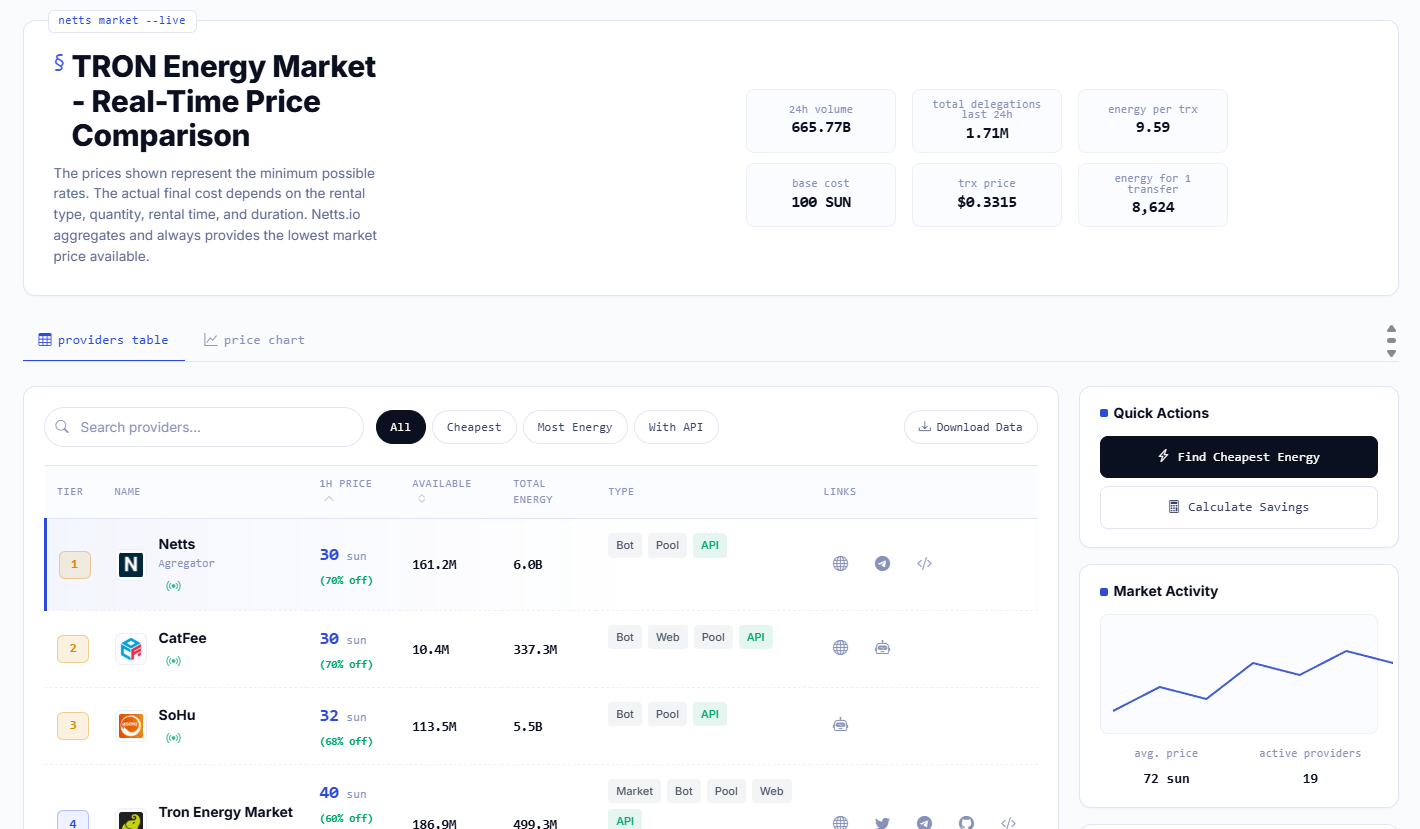
Once the debate has left the store and gone back to normal settlement, the boring layer still determines who retains value by comparing the TRON Energy market before a transfer, finding a way to obtain TRON Energy without wasting unnecessary TRX, and regarding cheap TRON Energy as a matter of operational hygiene rather than just a slogan. The TRON Energy Market on Netts.io makes this comparison more direct by gathering together the current provider prices and options so that users can rent Energy and Bandwidth rather than having to overpay for each USDT transaction.