Crypto Wallstreet Bets - When Gambler Finds Blockchain
When WallStreetBets culture meets crypto: YOLO speed, memecoins, and markets that never close for cleaning.

This article is not about casino crypto. Not about those who deposit, throw coins at the slot, and consider themselves Web3 because the prize is in USDT - they found their temple. We are talking about another category of crypto gamblers who have concluded that the market itself is the casino, and the blockchain is simply a faster floor.
Why be cheated in a casino when you can buy memes at midnight, YOLO into Monero because privacy is cool, YOLO into prediction markets, burn money on some junk currency, invent some other holiday for your own pleasure. Some people even do the reverse of their own YOLO with the fervor of a convert and the fuss of a goldfish. Crypto did not create this desire, but it gave it settlement finality and a group chat.
WallStreetBets taught a generation of young people that losses are for celebration and victories are for revenge. Crypto took the WallStreetBets look and removed the obstacles. That’s it, and that’s all.
What WallStreetBets Actually Sold
WallStreetBets was never just a forum for options trading. It was a state of mind, diamond hands, and YOLO as a mantra. The ability to turn market violence into a folk song, to make the collapse of institutions entertaining for the masses, and to create a code of honor among robbers who only have the screen as a divider. During the meme stock period, people began to realize that coordinated action could inflict at least temporary pain on the system, and that humiliation could be mutual.
The deeper product was the permission to treat finance as sport, to repackage losses as sacrifices, to feel like an insider by virtue of having a loud enough opinion. Once that permission was given, crypto was the logical sequel to WallStreetBets. The market still needed brokers, settlement time, and a smell of traditional finance. Crypto provided all the thrills of gambling without the adult supervision.
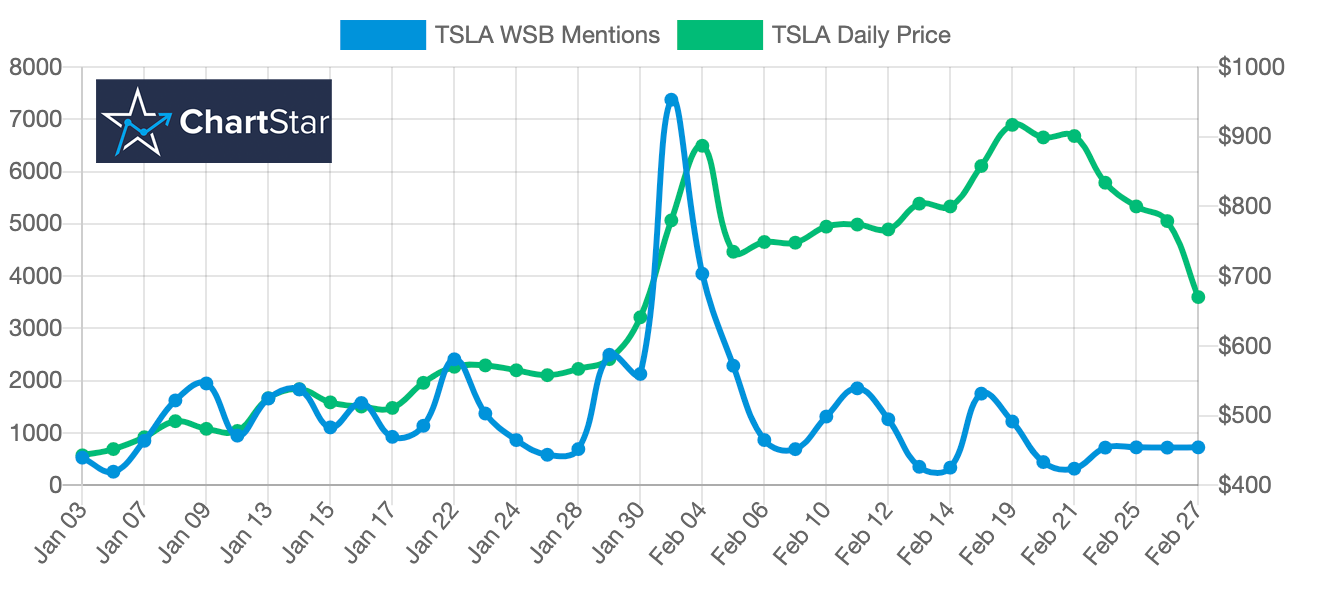
Influence was transferred not so much through the channel of ideas, but through the means of aesthetics. The language was born first: bags, rugs, apes, “this is fine,” the cult of the publication of the PnL as if it were a personal diary. Then the behavior began to be transferred: the ability to romanticize the concentrated risk in the stock, to be invested in the token, to be settled instantly while the joke is still fresh.
There was also a feeling of class resentment woven into the fabric of WallStreetBets, which polite society would like to forget. For many of its participants, the concept of an efficient market is anathema. The desire to become the opposite of the establishment, to be in a position to victimize themselves at the hands of the privileged elite, was the driving force of WallStreetBets. Whether it was realized in practice in the form of profit or not was of secondary importance. The WallStreetBets participant felt a sense of honor, anger, and belonging. This triad was then transferred to crypto, where pseudonymity and self-custody were built into the architecture.
The unfair advantage of crypto over traditional finance was speed. The time between the idea and the realization of it in the wallet is what makes gambling exciting. A stock thesis will have to wait until the end of the day to show its strength or weakness. The memecoin will change the net worth of the trader in the space between two subway cars. The prediction markets will score the trader’s opinion on a scale from one to zero before dinner. Speed is not just a reduction in the cost of the transaction; it is an increase in the sampling rate of the experience. The more often the sensation of gambling is repeated, the more often the desire to gamble is generated.
Why Outplay the House When the House Is Everywhere
The casino gambler accepts a known adversary. The market gambler prefers a story in which he might be the house. That story is intoxicating — if you buy early enough, if you read the room correctly, if you hold through the drawdown with superior character, then other people’s panic becomes your inventory. Crypto wraps this particular delusion in sovereignty language, self-custody as moral armor for speculative compulsions.
Consider the memecoin pilgrim. He is not interested in discounted cash flows — he is chasing a token that can become a myth before breakfast. He joins the ride because the chart looks ridiculous and the community feels lively — and stays because to quit would be to admit that the myth was rented. He doubles down because the first loss feels like a betrayal of his better self — and calls it all research now, because the research makes the loss feel earned. He often has a ritual, checking the chart, checking the chat, checking the influencers who are not giving financial advice, checking the chart again — this is his due diligence, and this due diligence is what makes the next purchase virtuous. This is how evenings turn to pilgrimages toward a token that will not remember his name.
Or the Monero maximalist on a bender, chasing the alpha of obscurity. Privacy coins are the preferred instrument for a certain type of romance with liquidity — one’s self-perception as a speculator is enhanced if the asset is taboo, if it has a reputation for being unloved, if its liquidity is the result of a permanent structural defect. Profound is a dangerous word to attach to any buy button. Illiquidity is mistaken for a virtue by the same type of speculator who thinks his risk is rewarded in direct proportion to the distance between his entry and exit.
Then there is the prediction-market convert, who finds binary contracts increasingly difficult to ignore after several token burns. Yes/No markets offer a certain type of purity — one’s labor is funneled into a single binary outcome, an election result, a coin above a round number, a sports final, a heartbreak. The contract’s format feels refreshingly honest compared to a token’s roadmap — but the same adrenaline fueling the token purchase now powers the long shot in the prediction venue. These two venues’ volume often sees a symbiotic relationship, as traders rotate between them — which is why many in the space are surprised to find their token positions smaller and their prediction-market exposure fattening, as if they had been deceived about their true preferences. The markets were not wrong to assume the speculator was always in search of faster tables. In this particular economy, the speed often matters more than the odds.
The speculator in oblivion assets is another convert, this time from prestige instruments to a coin with no reputation, no pedigree, and a Telegram admin who types like he’s late for a train. The appeal is not information asymmetry but the thrill of discovery, the feeling of being in on something that has not yet been discovered — which is why he is always buying the whisper. If nobody knows about it, then he is not speculating — he is authoring. Authoring feels like control, and control is something that gamblers are often deprived of.
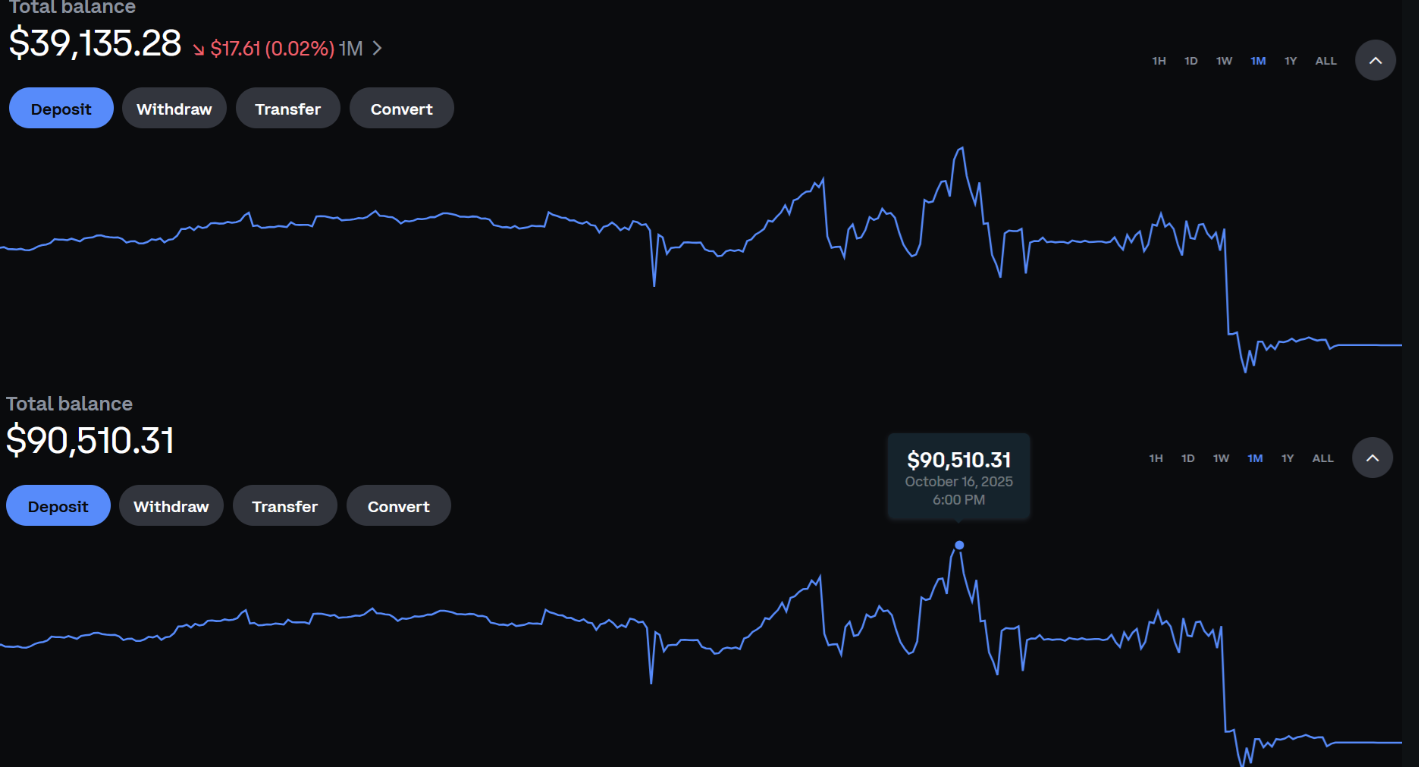
The beautiful masochists always bet against their own positions. They were long in the last cycle, so they must be short this time — they dismissed prediction markets, so they will fund a deposit in one — they swore off leverage, so they will open perps “to hedge their emotional risk.” Consistency is a liability for these types, who find themselves unable to gamble in the same direction twice. Motion is what makes them feel like they are still gambling, because the alternative is to quit cold turkey and admit that they are not really gambling at all.
There is also the type who thinks he has outgrown his gambling by refusing to participate in the obvious ways — he will not buy dog coins, but he will all-in a low liquidity governance token because a Twitter thread made him feel superior — he will not play slots, but he’ll play event contracts on a Bitcoin round number by December — the costume changes, but the pulse rate does not. Crypto gambling is full of beautiful masochists, who enjoy the self-flagellation of positioning as the lone rational actor in a room full of lunatics. It is not a particularly sustainable strategy, but it has the virtue of making one feel virtuous.
Different Faces of the Same Hunger
The cast is far broader than one would guess from reading crypto Twitter. There is the revenge trader, who wants the market to know that he took profits in the last cycle — the one who shorted the dip and is now long the sarcasm. There is the status gambler, who is in it not for the money but for the war story — the one who will one day quit the markets and tell his grandchildren about the time he almost ruined his life. There is the lonely operator for whom the chart is a companion, a distraction, a way to feel productive in the evenings when he should be studying for his exams. There is the ironic tourist, who joined the market just to short the hype — and has since forgotten that he was ever supposed to quit when the drawdowns began. There is the professional-looking amateur, who builds his spreadsheets around vibes and calls them a model.
There is the student, who treats his stipend like a video game budget and is surprised to discover that rent does not respawn when he reaches level 20. There is the remote worker, who uses his lunch breaks as leverage windows and is in it for the dopamine hits between the spreadsheets. There is the parent, who tells himself that he is building a future for his children and is actually buying five minutes of peace of mind. Gambling is often marketed as an expression of ambition, but it is frequently anesthesia, particularly for those who have no ambition besides the ambition to survive.
There is also the missionary, who has exited his long position in one memecoin to open a short in another, convinced that he has transcended his gambling by becoming a trader. One successful memecoin exit can poison an entire decade of self-flagellation for the right type of speculator. He is not wrong to believe that he has earned the right to monetize his judgment — he has, but only in the narrowest sense, and certainly not to the degree he is now claiming. The missionary is not always evil, but he is always contagious.
Prediction markets are the latest costume for the same type of speculator who has been gambling for years. A political memecoin windfall can be funneled into a sports or macro contract with all the sincerity of a devout gambler who has simply upgraded his venue. The wallet address changes, but the nervous system does not. When one famous rotation turns a seven-figure token profit into a seven-figure event loss, the internet interprets this as a moral parable for all speculators, but it is really just the continuation of the same narrative with a different set of odds.
This migration from token speculation to event contracts tends to coincide with a cooling-off period in the token market. The volume on both sides tends to increase, with commenters asking if traders have exited the token markets for good. They have not, of course — but the majority of them are not particularly interested in returning to the token venues either. The markets have changed, but the speculator has not. Binary markets provide a faster resolution to the same type of risk, which is why many traders rotate between the two venues. The faster the market moves, the more frequently the speculator is forced to move with it.
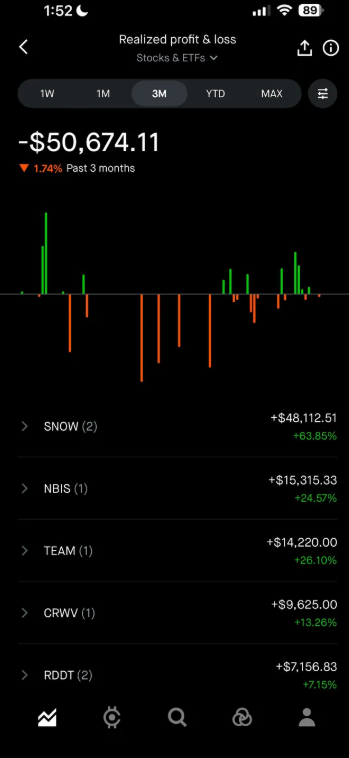
Perpetual futures contracts tend to make the culture even more continuous. The funding rate, the liquidations, the twenty-four-hour scorekeeping all contribute to a venue that never closes for cleaning or maintenance. In traditional markets, the forced time-outs for weekends and holidays served a useful function for the human psyche. The ability to sleep on a position was a type of built-in risk management, a way for the trader to step away from the screen and reconsider his assumptions. Crypto has eliminated these intermissions, which has accelerated the culture of continuous gambling, where the only risk management is self-flagellation.
How Crypto Made WSB Faster and Meaner
WallStreetBets required brokers, clearing, and the occasional adult supervision. Crypto reduced the number of steps between impulse and execution: wallet, swap, screenshot, funeral, rebirth. The compression made many long-drawn processes feel like quick trips. This quickness is frequently conflated with empowerment. Empowerment, however, can often turn out to be a weapon pointed at one's own skull.
The social layer only exacerbated the tendencies. Launchpads, streaming, leaderboards, group chats; all turned speculative behavior into a performance. With the audience rating each move, the only viable exit is a performance. This explains why people hold on to their losing positions: the audience has invested in this being the correct, rational decision. The desire not to embarrass oneself in front of others can often outweigh the prudence of exiting a position.
This is why crypto “communities” so often resemble gambling dens with logos. Similar social dynamics cause individuals to participate with money, reputation or both. If they lose, they feel like they are part of an exclusive club. If they win, it is because they are in the right group. Those perceptions then encourage them to invest more deposits to join others who supposedly know what they are doing.
Moderators and influencers who think they provide value unwittingly serve as croupiers. It is not essential that they intend to manipulate, but an action or inaction that increases one’s deposit to fit within the dynamics that enrich the “house.” Volatility sustains engagement. Engagement fuels deposits. Deposits create hope. Hope demands further engagement. It might not always be outright manipulation, but speed and immediate results have bred a context where humans crave the satisfaction only a financial win can bring.
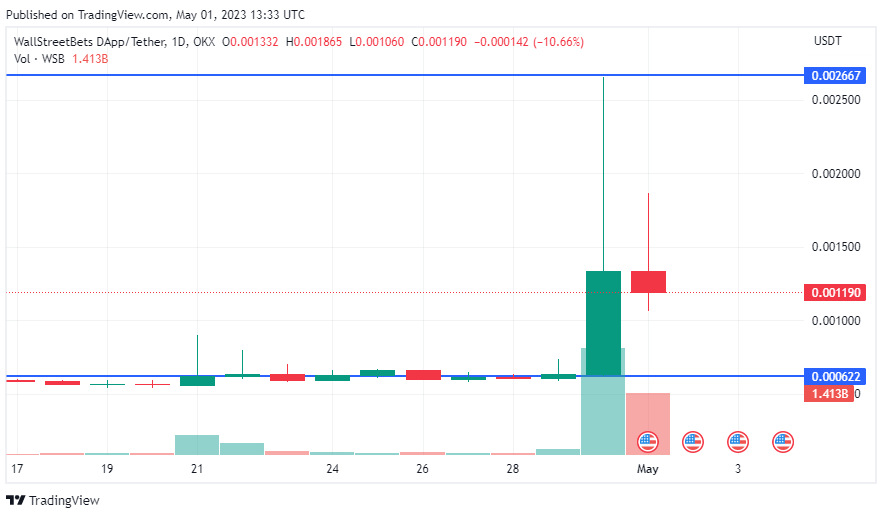
Speed and quick results also affect moral calculus. In a slow market, one has time to rationalize actions and their consequences. One can tell oneself a fair number of comforting lies. In a fast market, the justification for a trade frequently emerges only after the fact. “I saw the narrative forming” is an explanation for almost any rapid transaction, and blockchain explorers have made the impulse even more challenging to control. The permanence of transactions on-chain, ironically, fails to promote sincerity; instead, it promotes better self-serving stories.
Families and friends suffer the consequences. A quiet home knows when the owner has unlocked their phone at 3 am. The girlfriend knows when the bet is not with the exchange but with her presence or absence. The work colleague knows that the perpetually positive person now has an inside knowledge on the obscure chart. The market gamble is rarely a solo act with lasting repercussions. Crypto only makes the social costs of that decision more immediate.
House Always Has a New Mask
People reason that they have moved from casinos to markets because the latter could be beaten. That is the delusion fueling almost all gambling, but with markets it is especially corrosive. Markets can be studied, but they cannot be conquered in the way one conquers an itch or a craving. Crypto only exacerbates the matter by adding a dozen new toys to try to solve the problem.
Each puzzle contains the same promise of victory through attention, perseverance and outlasting others to obtain a prize. Some realize this promise and fuel the belief. The rest either stop talking or start being the voice of reason that the puzzle contains value. The whole setup is a self-sustaining ecosystem that does not require much beyond the promise of control via education. The unwilling majority can always be dismissed as not educated enough.
Another interpretation is that many gamblers wanted to exercise authorship in a domain where their existence is frequently ruled by others. The rent, the job, the government, even the family each demand authorship, and a market gamble can provide a sense of control, of creating one’s future. That is why expected value talks rarely resonate with people; expected value is an admission of helplessness. The desire for authorship is what drives someone to a market gamble in the first place. Wall Street bets gave that desire a megaphone, and crypto a global stage where the next “move” was always available. That is why the culture is so fixated on “houses”: the only way to win against someone else is to be in the group that beat them.
What Keeps Them Coming Back
A few redemption signals are present for those willing to see them. The culture that fuels the self-destruction also fosters communities where no one is an expert on anything. Some chaos tourists will inevitably unlearn their destructive financial habits, grasp the importance of custody, and grow wiser people. Some will even build products that take advantage of the attention of others. That is not a reason to keep doing the same mistakes, but the ability to romanticize the pain definitely helps the process.
Crypto WallStreetBets is what happens when a gambler finds a blockchain and mistakes finality for freedom. The freedom to lose is what made the industry exciting in the first place. Speed ensured that the excitement was almost universal. However, the market will always find more tables to occupy the willing. Social feeds will always provide more choirboys. New products emerge every few months claiming to not be gambling because odds are informational. Informational odds are just another house edge, but one where the velvet is replaced with code. The next novelty will undoubtedly include a “house” that appeals to the desire to belong to the people who know something others do not. It will leverage human nature, and the illusion of control, to get someone to put their livelihood at risk, hoping to gain a sense of belonging or wealth.
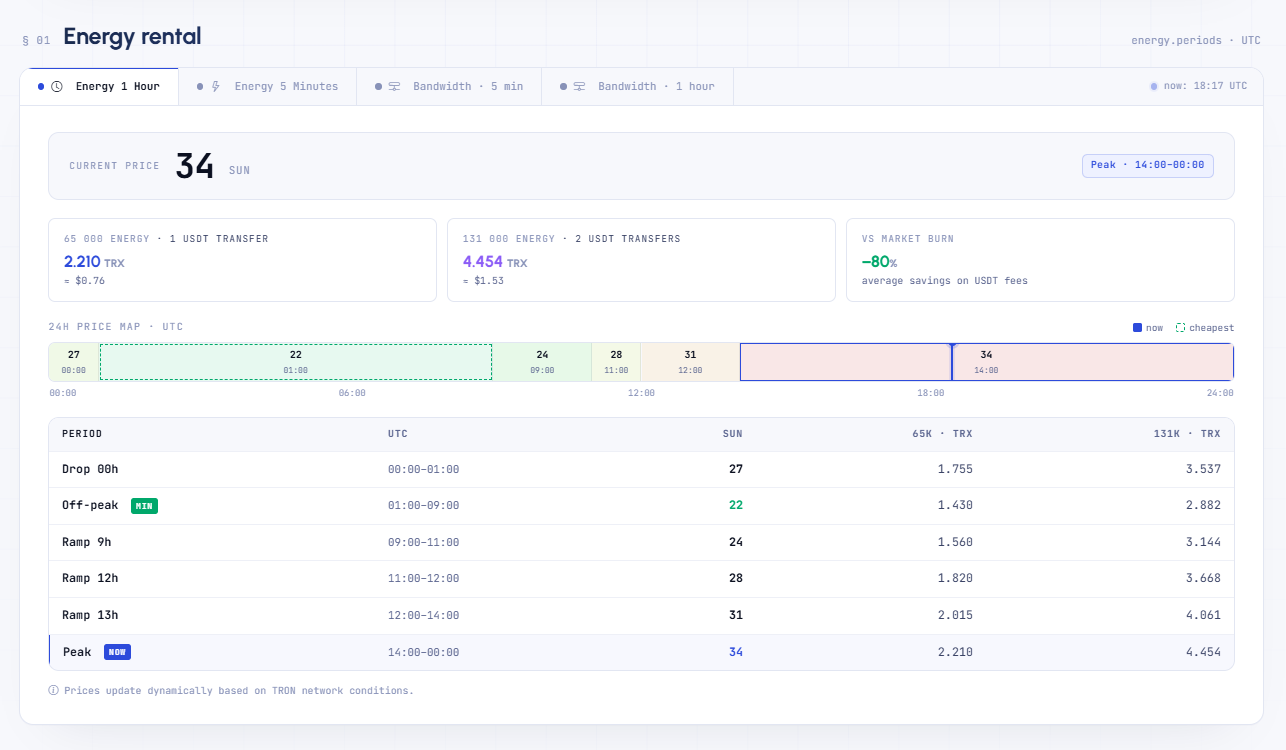
When the adrenaline cools and money has to move as money rather than as a bet, the unglamorous habits return: comparing schedules, watching network costs, and noticing when settlement expenses quietly eat the week’s impulse trades. Netts Pricing is built for that sober minute — live TRON Energy and Bandwidth rates, period maps, and a blunt look at cheap TRON Energy, TRON Energy best prices, and the best TRON Energy options available before another round of “just one more” gets expensive for boring reasons.