Crypto Bankruptcy Hierarchy: Who Gets Paid When the Exchange Dies
Crypto bankruptcies decide who gets paid by contract language, custody status, creditor priority, and court-approved waterfalls.

In traditional finance, bankruptcy is a sad affair for the business and its owners, but it is a foregone conclusion for the law. Different shades of the gray matter have been thoroughly explored: airlines, banks, retailers, brokers, manufacturers, energy monopolies, real-estate developers, con-men behind mahogany desks – they all enter the same gastrointestinal tract. Statutes, case law, committees, trustees, secured and unsecured creditors, administrative expenses, clawbacks, and endless squabbles over what specifically belonged to whom at the moment of demise.
Cryptocurrency entered the scene with the naivety of an unschooled teenager, believing that owning the coins equals ownership of the underlying asset. The crypto exchanges serve as platforms, lenders, yield farms, wallets, brokers, custodians, communities, ecosystems – and sometimes all of the above at once. Terms of service declare one thing, marketing proclaims another, the blockchain transfers tokens, the fancy application on your phone congratulates you – and then the exchange goes bankrupt, and it becomes apparent that all these tokens and services never really belonged to you in the first place.
FTX is the corpse of the first magnitude, possessing a certain je ne sais quoi of the epic downfall. Long before its demise, FTX was a crypto superstar, boasting sports sponsors, celebrity endorsements, political donations, and vocal advocacy from venture capital communities. Its founder could discuss his billions with a straight face while engaging in some of the most egregious wash trading to prop up the price of tokens from his own ecosystem. This all ended in November 2022 when FTX and its affiliated entities initiated a chapter 11 filing, revealing the inner workings of the crypto mecca. In many ways, this was not a typical bankruptcy of a failed business that could not withstand the market volatility. The FTX insolvency was an inquest into misappropriation of customer funds, a forensic audit of billions of dollars in obligations to affiliated entities, and a revelation of how crypto exchanges use customer deposits to fund executive perks, including real-estate purchases, private jets, political donations, and more.
The money mostly went to the gaping maw of the FTX-Alameda complex. As the appointed chapter 11 trustee and later investigations discovered, customer deposits were freely commingled with company funds, syphoned off to pay debts of Alameda Research, distributed as dividends, fees, and expenses, invested in various long and short crypto positions, and used for executive compensation, including political donations and luxury goods.
It is entirely fitting that crypto’s first major bankruptcy would involve a tangle of complexities and multijurisdictional disputes. The crypto-specific intricacies of the FTX bankruptcy include the use of digital currencies in cross-border transactions, obligations of affiliated entities, and deposits of customers in wallets controlled by the company. Nonetheless, the basic principles of liquidation are relatively straightforward. In the end, the customers were made whole (or not) alongside other creditors in the same manner as any other unsecured bondholders.

One fitting twist of the FTX story involves the treatment of its creditors. Despite the massive fraud and asset diversion on a scale of billions of dollars, FTX’s creditors are faring better than most. The chapter 11 reorganization of FTX is set to begin liquidating assets in January 2025. The recovery trust will commence its distributions to creditors via Bitgo, Kraken, Payoneer, and other crypto platforms. The estate of FTX saw substantial returns from the liquidation of the business assets, realized profits from venture holdings, increased value of crypto deposits, and settlements with various stakeholders. All of this combined allowed the recovery trust to overcome the hardships of the bankruptcy process and the mismanagement of FTX’s executives.
In the end, the customers of FTX are not made whole, because their claims are mostly valued at the market price of the day when the court granted FTX protection under chapter 11. This is an unsatisfactory outcome for anyone who put $1M into FTX’s ecosystem and then watched it vanish down the drain, but it is the reality of bankruptcy law. In essence, the law states: “I am liquidated to my worth at the moment of your claim.” The bleeding heart liberalism of the Bankruptcy Code is not nearly as expansive as one might desire: if you bought one bitcoin for $50K and FTX declares bankruptcy the same day, you are not owed 200 BTC for the price of one. The crypto market may pull off such a miracle, but alas, the Bankruptcy Code will never change.
The FTX hierarchy was not entirely based on the level of customer patronage, but at the bottom of the pyramid, it mostly had the traditional unsolvability of customer claims. There are differences between the treatment of U.S. and non-U.S. customers, general unsecured creditors, governmental claims, subordination of various stakeholders, and an overarching intercompany settlement, which prevents the bankruptcy from getting entirely swallowed up by multiple jurisdictions. This is the lesson of the cryptocurrency industry learning the hard way about cross-border liquidation: that once the blockchain is turned off, the distribution of the remaining value is better left to a single bankruptcy court.
Fine Print Eats the Wallet
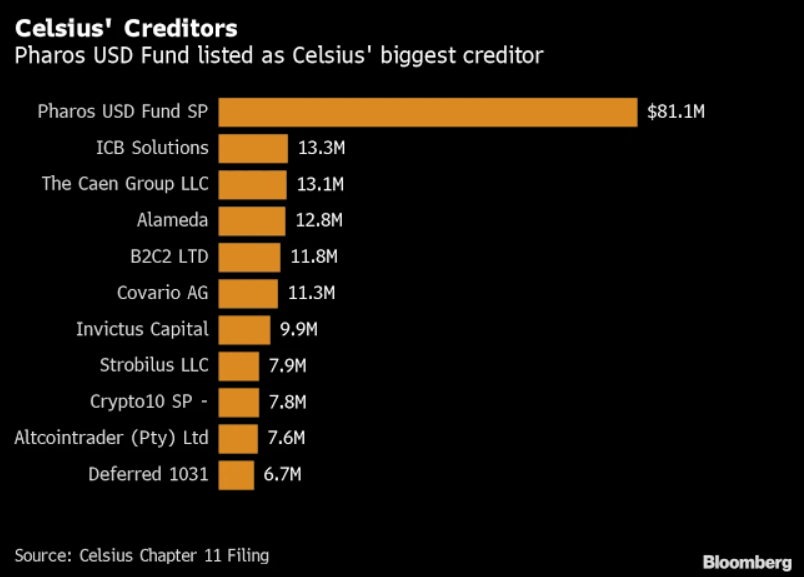
Celsius provided the industry with the clearest precedent about fine print in the legalese. The Bankruptcy Court for the Southern District of New York ruled that Celsius Earn account holders who supplied assets for its yield-generating products had granted Celsius ownership of their crypto assets. Earn customers were therefore general unsecured creditors. The ruling was significant because it carved out a hierarchy based on the entitlement to the assets. If the assets held in the Earn program were customer property held by Celsius as custodians, the customers would have priority over the estate. By contrast, if the assets were Celsius property, the company’s creditors would be senior to Earn customers’ general unsecured claims. The latter was the case because the Bankruptcy Court found that the terms of use language effectively transferred ownership.
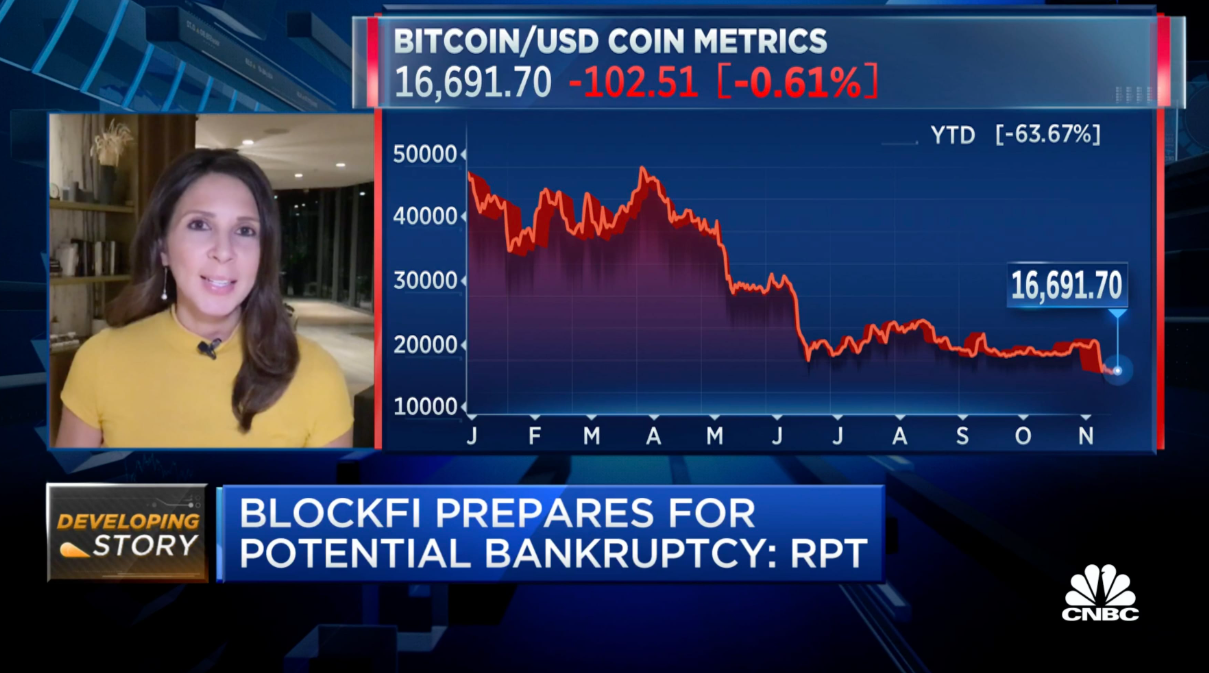
BlockFi filed a chapter 11 petition after being entangled in the FTX liquidity crisis. Having experienced an adverse spillover from a collapsing industry participant, BlockFi managed to turn the situation around with a settlement with the FTX estate, including the premium sale of its FTX claims. While the company emerged from chapter 11 with a significantly depleted balance sheet, its customer and general unsecured claims were fully recovered on a dollarized basis. In addition, U.S. customers enjoyed more favorable treatment than their international counterparts in the distribution to general unsecured creditors. Notwithstanding the favorable outcome, customer deposits’ distribution was not straightforward due to the need to navigate the intricacies of claim verification procedures.
Voyager Liquidation Shows How Precarious Exit Strategies Can Be
Voyager’s chapter 11 filing came shortly after its exposure to Three Arrows Capital, with a proposed transaction with FTX collapsing amidst the FTX default. The subsequent Binance.US acquisition deal fell through due to regulatory uncertainty. Voyager initiated a self-liquidation in the meantime, reopening its platform for in-kind redemptions on a limited basis. As the court-supervised liquidation process neared the end, Voyager sent checks to those who redeemed in-kind or to those who requested mailed checks because they did not redeem their assets in time. Those who had selected crypto in-kind redemption received crypto or paper money. Voyager’s chapter 11 estate continued its operations, oblivious to the difficulties its customers were facing.
The common theme that emerges from these cases is that nothing is ever fully settled. The same Bankruptcy Code is applied to a variety of crypto-related arrangements to sort out claims and entitlements. Does the business hold custody of my assets? Is it a bailee, agent, broker-dealer, or am I borrowing the property? Does the company hold assets on a segregated basis, or are they commingled? Is the token held a cash equivalent? Can I get it back in kind, or do I need to settle in fiat? How should my claim be valued – at the petition date or in dollars? If the withdrawal happened before the petition, can it be clawed back? Are stablecoins a cash, commodity, contract, or property? What is the legal nature of my claim – unsecured, secured, priority, equitable, etc.? Do these claims exist in the chapter 11 estate? These are the questions for which Congress and bankruptcy courts do not have ready answers. Lawmakers and judges are subject to the same scrutiny of the crypto industry as the rest of the public. Simultaneously, legislators and judges are aware that the bankruptcy code cannot grant blanket priority to crypto customers or turn every custody agreement into property theft, creating chaos across the financial system. The principle of customer asset ownership as the guiding star behind the crypto industry’s liquidation practices is not sufficient to the task at hand because not every contract term is a binding promise, and not every fine print is a loophole. The courts aim for a balanced solution, which will always involve compromises, as we have seen in the Celsius case.
Lawyers on both sides are acutely aware of the precedent their arguments set. They may want different outcomes in each instance, but the forces that drive them are similar. Some want a strong holding that customer property remains customer property upon deposit with the crypto business, while others want more flexibility so that the estate can fund the chapter 11 plan, satisfy administrative expenses, and benefit from the professional oversight of chapter 11 trustees. Additionally, governmental agencies push creditors for tax collection, consumer protections, and regulatory enforcement, while purchasers of claims, including large institutional investors, seek to acquire discounted paper. Ordinary customers want their money back, and shareholders hope for some equity value, often in vain in the wake of a major failure such as FTX. However, in BlockFi’s case, because of the innovative nature of certain assets, preferred equity holders may receive some payment in a specially structured waterfall. All parties are aware of the complex law that governs crypto transactions, and everyone is in it for the value.
Hierarchy of Appetite
People are greedy creatures. Bankruptcy only serves to make the greed more apparent, since the living business is gone, and the leftovers are easier to smell. Meat generally does not die entirely; it is almost always repurposed in some form. National Geographic would have needed permission from the animals, but if everyone wore nice suits, it could have filmed them as they got to work. First came the lions: secured lenders, estate agents, government agencies, big creditors, committees of creditors, strategic buyers. Then hyenas: claim traders, litigation funders, consultants, distressed investors. Finally, there were vultures: smaller creditors, opportunistic service providers, individuals who would get a finder’s fee if a check or an old account turned out to be a source of income.
The same principle governed the hierarchy of appetite in crypto bankruptcy. To get a seat at the table, one needed to pay the price. In crypto, that price could be exceptionally high. To represent creditors, a debtor needed lead counsel, financial advisors, forensic accountants, claim agents, tax advisors, crypto-tracing experts, restructuring advisors, litigators, communications counsel, cybersecurity experts, and examiners – all of that could cost hundreds of millions in fees and expenses.
A big creditor could afford to hire people on the inside, litigate the plan, analyze the objections, negotiate settlements, and watch over the distributions. For an individual with an eight-figure claim, it would make sense, but an eight-hundred-dollar-claimant would be better off with an FAQ, a portal, an agent, and a deadline.
Specialists paid with their labor, building portals, doing KYC, distributing, collecting, analyzing, investigating, preparing objections, reviewing, settling, and accounting. Everyone took a piece of the action, except ordinary customers who were stuck hoping for the best. The fees may be obscene, but they are, with few exceptions, inevitable. Bankruptcy is a machine, but it needs fuel. Not every part needs to be necessary, but some of them unquestionably are useful. It is up to the customers to decide whether they want to live in a world with or without that fuel.
The usual corporate hierarchy is simple enough – secured creditors come first, followed by administrative expenses and claims with priority, unsecured creditors, and finally equity. Crypto’s version of the hierarchy is more complicated because of the debates regarding the customer deposits. Were they assets of the estate, or did they belong to the customer? With the right language in the fine print, either outcome was possible. Celsius made many unhappy customers by suggesting that their account balance belonged to them when, in reality, all it represented was a claim against Celsius.
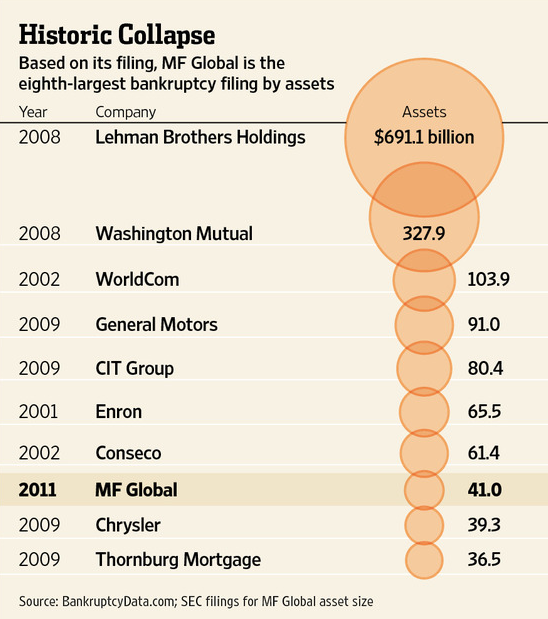
In a way, it is not dissimilar to the brokerage industry’s learning period. Securities held in a brokerage account were not considered property of the owner but rather of the brokerage, with severe consequences for unwary investors. The resolution process for failed brokerage houses and banks gave birth to the current laws regarding customer deposits. Similar rules apply to commodity brokerages, except their deposits are segregated, and there are additional rules around their clearance and settlement. MF Global’s bankruptcy proceedings were a gruesome reminder that those who put customer money into accounts controlled by others are responsible for ensuring that those funds remain customer money.
Crypto’s version of that lesson was the FTX crisis, where customer deposits were, for all intents and purposes, inaccessible to everyone except the FTX insiders. The fact that FTX itself is a technology company and not a brokerage or a bank appears to have had little effect on the outcome.
When it comes to creditors, the hierarchy is, not surprisingly, different for crypto companies that hold their customers’ assets in custody or earn yield on their behalf. For the former, those assets are not part of the estate, for the latter, they are. Celsius made that mistake with its Earn product, and it suffered the consequences as the customers with Earn accounts were first in line to get their deposits turned into claims against the estate. At the same time, the Voyager clients received a much better recovery, in part because their assets were held as custodians by Voyager. The same logic applies to most crypto custodians holding assets for their clients. While the language within the terms and conditions of most services is different, most of those services operate in a similar capacity.
Who Got Paid, Really?
A realistic view of the hierarchies is that customers were generally not at the top of the payment list in crypto bankruptcy. The winners of the FTX bankruptcy were the professionals necessary to liquidate the estate – lawyers, advisors, claim agents, and forensic accountants, all of whom got their fees paid as administrative expenses. It is a practical view, albeit an unpleasant one for the regular customer facing daily losses of confidence, faith, and money. The other winners of the FTX estate were the priority groups – secured creditors, if any, priority unsecured claims, governmental claims as determined in the court, and any customer groups that had priority pools established for them. Next in line came general unsecured creditors, which could potentially include customers if the company’s assets were the only property available for distribution. Finally, the equity holders had nothing.
In practice, the FTX plan is a settlement, and the customer entitlements, the general pool, the shortfalls, and the governmental and equity claims all fit within the category of negotiated settlements. The subordination of governmental claims and the cancellation of FTT token claims are features of the bankruptcy settlement. The order in which claims were paid was ultimately approved by the court, which means that, for each particular group of claimants, it was the best possible outcome given the evidence, documents, negotiations, deadlines, and exhaustion of other options.
The case of Celsius illustrates the importance of the contractual wording. Earn customers were general unsecured creditors, whereas the custodianship customers were secured with certain rights of setoff. The differences in their bankruptcy experiences were largely due to the terms of the agreements with Celsius. There is no doubt in the court’s decision, as in many other cases, that the “I had money on Celsius” narrative, on its own, was insufficient, that each depositor needed to explain what type of account they had.
The lesson from BlockFi is one of external recoveries. The company’s creditors were able to benefit from BlockFi’s external claims, particularly against FTX and Alameda Research, which, if not for the bankruptcy and insolvency of both companies, would have been inaccessible to BlockFi’s creditors. The value of such recoveries is particularly important for the creditors of crypto platforms, since those are often their only option, and their availability and value should be taken under consideration during negotiations. A company with external claims will generally be able to recover more than one without them, and the presence of such claims ought to shape the creditor’s expectations, strategy, and options.
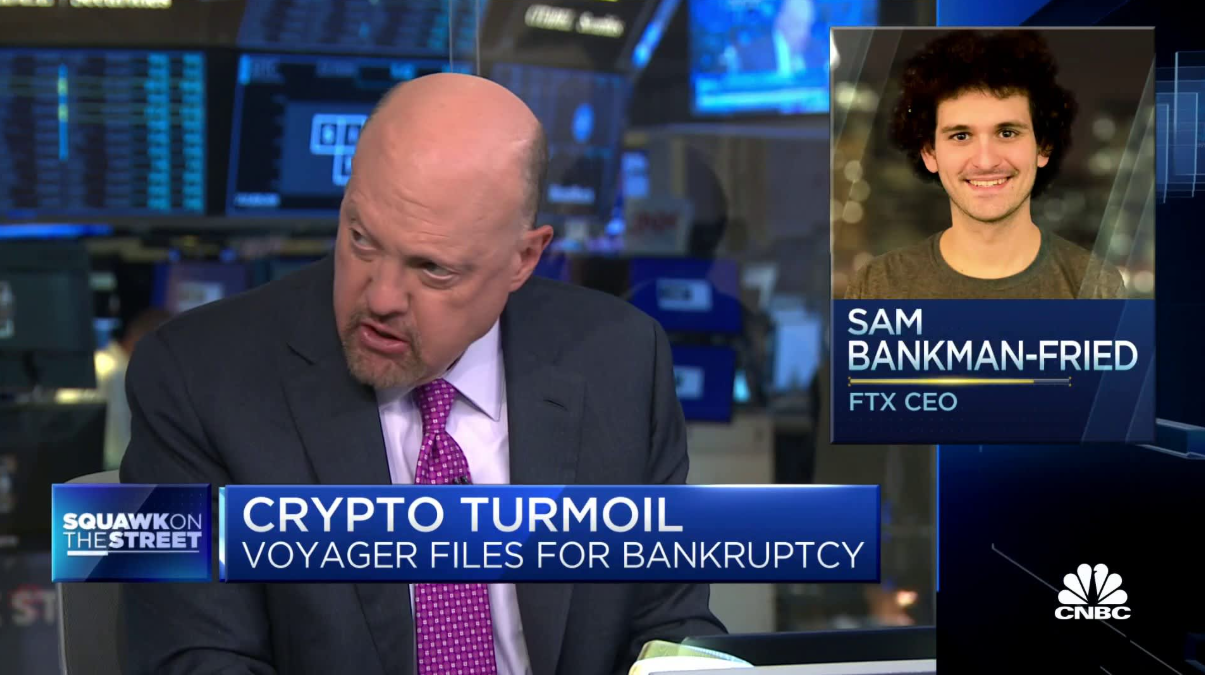
The case of Voyager shows the importance of failed deals. If the asset sale had gone through, the customer recovery would be significantly better than it was under the liquidation plan. However, the deal’s failure meant that Voyager’s assets were now subject to the whims of the market and the regulators. In Voyager’s bankruptcy, the customers became at the mercy of a potential buyer’s appetite, the regulatory environment, and the timing of the deal, which could have been more or less favorable. There might have been a deal if the regulators were less hostile, or if the market conditions were more conducive, but there was no deal, and the estate now belonged to its creditors.
It could be argued that any customer with an asset claim in bankruptcy has some rights and that, in the end, the order of payments depends on what particular set of facts was presented to the court. That reasoning is correct but obscures the more crucial dynamics of the crypto bankruptcy hierarchy. Those dynamics make “who got paid?” far from a purely theoretical discussion. For example, a claimant with a custody account with a crypto custodian or exchange has a stronger case for recovering funds than an account with yield features – the former’s claim is secured, whereas the latter’s is unsecured. A creditor with appropriate timing, documentation, and filing can recover more than another who missed an opportunity due to an incomplete or untimely filing. A claim buyer can benefit from the patience of a fellow claimant selling their position at a lower price – the buyer can purchase a claim, settle it, and profit from the difference. A governmental agency can make subordination decisions that put customers ahead of other unsecured creditors. A law firm can recover its fees, despite the fact that the small account holder likely thinks very little of “justice” in this situation.
The human nature of the situation is not difficult to understand. The customers expect restoration because they perceive themselves to have suffered some loss. The debtors want to retain control to propose a settlement that will make them look good. Law firms want precedent; the judges want consistency; everyone wants to limit exposure to future disputes. Regulation captures the capital, and distressed investors trade in misery. It is all very understandable. No one is wrong; all are human.
It is important to note that the dynamics of the hierarchy of payments will become increasingly stable in the future. The next set of crypto bankruptcy proceedings should reveal answers to older questions. However, the next major bankruptcy will undoubtedly ask new ones – Did the customer own the asset? Did the firm possess it lawfully? Was it held collectively or in trust? What did the terms say, and what did the company and customer mean by those terms? Was there an explicit or implicit fraud, and can it be separated from other issues? Was the withdrawal of funds legitimate, and what are the customer’s rights to clawbacks? Should the customer be compensated in crypto or fiat, and what date should be used for valuation? These dynamics will eventually stabilize, but the process, as before, will be complex and costly. The next wave of industry defaults will educate another wave of users in the crypto-specific nuances of bankruptcy.
The lessons to users are as follows – study the fine print of their crypto custody and lending services to understand if and how they could lose access to their crypto. Study the terms that transform crypto deposits from a safe asset or an interest-bearing account into a leveraged position or a margin loan. Remember that yield implies risk, volatility, and the possibility of loss of principal. Remember that the user-friendly interface and the account dashboard are not a substitute for legal diligence. Understand that the “your crypto” messaging and account features may not be sufficient to declare it your property in a court of law. If you cannot tolerate the risks of a custodied position, keep your assets in self-custody.
The lessons to the industry are no less dire – if the crypto platforms want to operate as financial institutions while avoiding the outcomes of bankruptcy, they ought to begin regulating themselves and building products with standardized customer hierarchies in mind. The industry needs custody, clear separation of assets, and the ability to demonstrate reserves and liabilities with regulatory-grade fidelity. It needs to establish clear language around the ownership of property, avoid commingling of deposits and liabilities, and structure everything around bankruptcy remoteness, if possible. The traditional finance bankruptcy rules were built over centuries of pain; crypto is trying to learn the same lessons within a decade and at the expense of everyone in between.
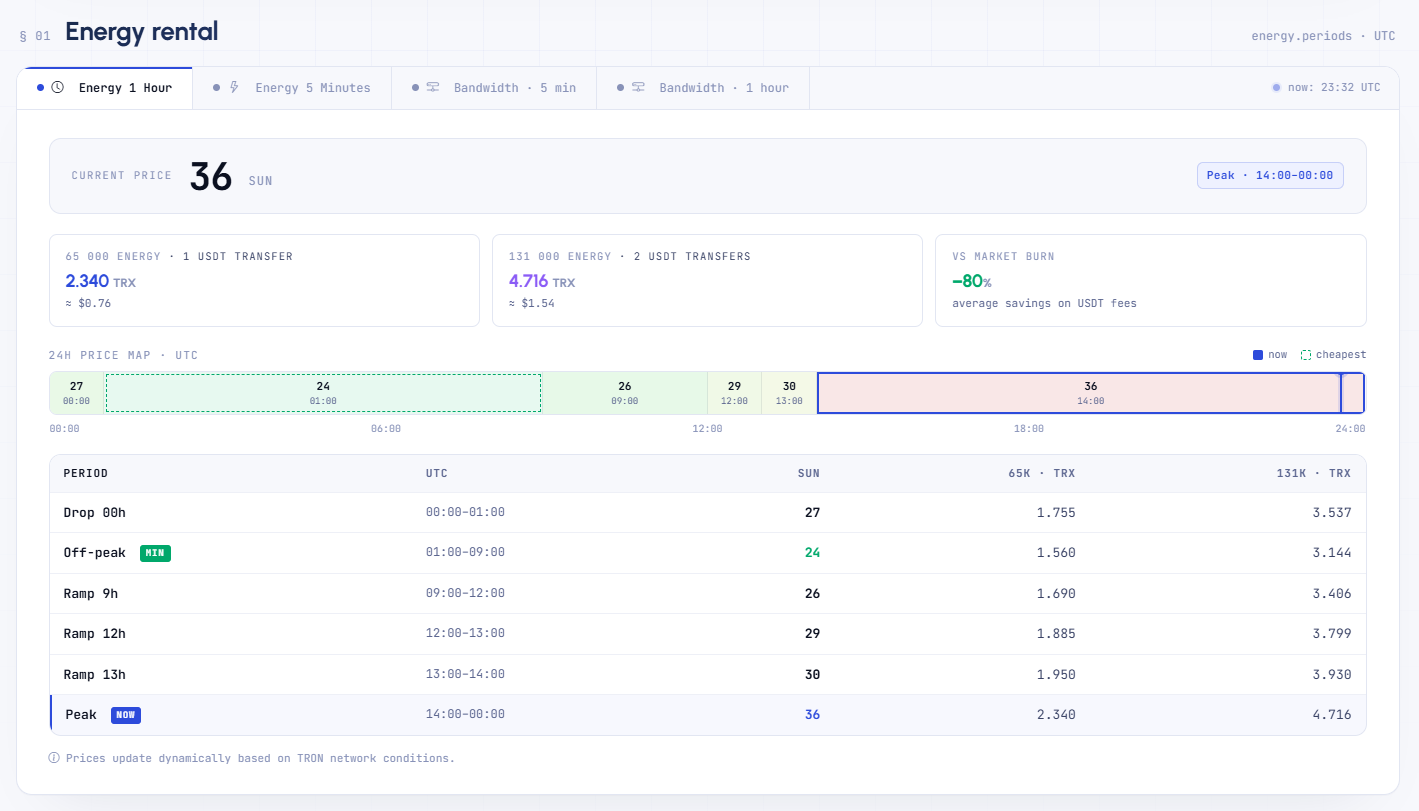
Netts Pricing is the perfect tool for tracking TRON energy. It allows TRON users to monitor live Energy costs rather than guesswork at the height of TRON Energy prices. The TRON Energy cost tool displays TRON Energy’s best prices over 1-hour and 5-minute rental periods, as well as projected costs for 65k and 131k Energy. It also shows you how much you’ll save by avoiding TRON Energy burning and utilizing TRON fee reductions and stable USDT transfers.