Crypto Lobbying: From Outlaw Industry to Capitol Hill Regular
Crypto moved from outlaw status to Capitol Hill regular, using PAC money, lobbyists, and draft laws to shape regulation.

The scene is set in a typical congressional hearing room — the HD cameras are rolling, the mahogany nameplates are correctly positioned on the wood-paneled desks, and a group of gray-suited senators is putting on a virtuosity of manufactured outrage designed to score airtime on Twitter. Do you remember when crypto’s highest-profile Washington publicity stunt was an unruly Sam Bankman-Fried, lecturing a live audience about the philosophical precepts of effective altruism while the burning FTX empire slowly crumbled around him? That was the era of glorified amateurs, but those days are firmly in the rearview.
Crypto’s new lobbying class no longer wears cargo pants to Capitol Hill fundraisers. Instead, they show up in designer suits, armed with color-coded PAC spreadsheets, entire battalions of retained lobbyists, and detailed voter demographics about the toss-up congressional districts in which the phrase “pro-innovation” has proven to be a winning talking point. This is the story of an industry that went from being an unwanted dinner guest to a multi-million-dollar corporate client, that transformed itself from “hey, please don’t ban us” to “here’s the language we suggest you use when banning us.”
Any outlaw industry that manages to survive the regulatory campaign tends to buy the very same services its censors have at their disposal. Crypto is no exception — it simply has the edge in both speed and scale. The script being sold to the policymakers is a carefully crafted blend of high-minded libertarianism and geopolitical paranoia. It promises financial inclusion for the unbanked, sovereignty for the individual, and national security for the country. The speech is designed to appeal to technocratic idealism, but it always includes a handy dose of threat inflation right before the funding request. The bill’s backers will warn that innovation will be choked off by foreign legislation, that Europe’s MiCA framework represents an existential threat, and that thousands of jobs will flee the country if crypto-friendly states like Delaware manage to retain jurisdiction over the industry’s most valuable assets. All of it can be true, but rarely do any of these arguments supersede the practical matter of the multi-billion dollar market-cap now resting on the regulators’ good graces.
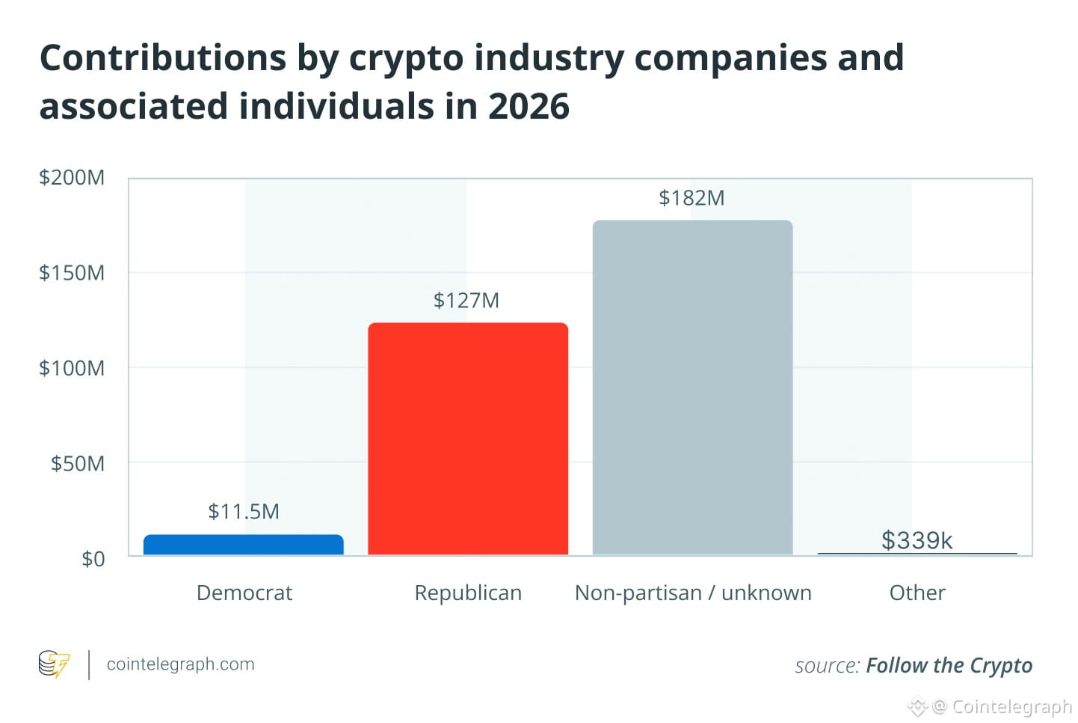
When it comes to lobbying, the industry has the luxury of choosing between success and not-success. Effective advocacy typically sees the founders giving a broad smile for the cameras while the well-paid specialists quietly rewrite the law. In the eyes of the public, it’s all just needed context for the crypto asset prices’ beneficial development. If the opposite occurs and crypto’s congressional representatives fail to deliver, the industry insiders remain within their right to cynically accuse the Capitol Hill of outright regulatory capture. The same closed-door meetings often fuel both competing press releases from either side of the aisle. Meanwhile, a small independent node operator or a struggling remittance company that only recently gained access to the state’s financial infrastructure now has a lifeline in the form of a Washington-based lobbyist who can explain the non-custodial wallet concepts to the befuddled senior senator. That’s the boring truth behind every crypto lobbying victory, and it’s not always easy to digest.
The lobbying war is won not by swagger, but by small, methodical steps, each of which requires significant investment on the industry’s part. When the time comes to finally repeal an undeserved tax on all the node validators’ KYC procedures, it will take the combined effort of several rounds of private meetings between the crypto envoys and the bill’s sponsors to strike the necessary language from the final omnibus spending bill. Let’s take a closer look at the industry’s lobbying capabilities as we walk through the key figures, events, and talking points from the past year.
Machine and the War Chest
To better understand the current state of the art in crypto lobbying, one must first separate the noise from the signal. Focus on the heavily promoted Stand With Crypto scorecards, which diligently rank members of Congress based on their demonstrated devotion to the crypto cause. Pay close attention to the industry’s Fairshake and its allies, who spend millions of dollars on generic electioneering, as well as the PACs which directly support the pro-crypto congressional candidates (Defend American Jobs for the Republicans and Protect Progress for the Democrats). Note the vicious Washington insider politics that fuel the industry’s attacks on its biggest detractors, as well as the industry’s carefully timed calls for bipartisan unity on every crypto-related issue.
Fairshake and its allies enter the 2026 cycle with a projected war-chest of nearly 200 million, of which they raised an astonishing 40 million in the first quarter alone. The industry has already demonstrated its ability to turn such fundraising into immediate legislative gains. After all, it was a single PAC check that helped turn the tide in Ohio, securing the junior senatorial seat for crypto-friendly Republican Bernie Moreno over his more experienced opponent, Sherrod Brown.
The Capitol is currently experiencing a set of broad legislative reversals, fueled both by bipartisan support for the industry and by the sheer scale of its financial commitments. The much-needed stablecoin-specific legislation, embodied in the GENIUS Act, continues its slow climb up the committee teetering toward enactment.
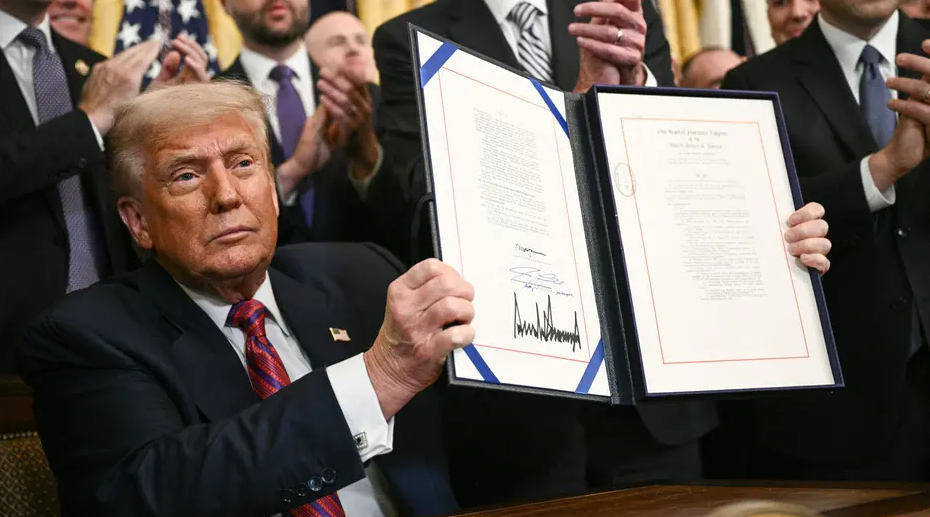
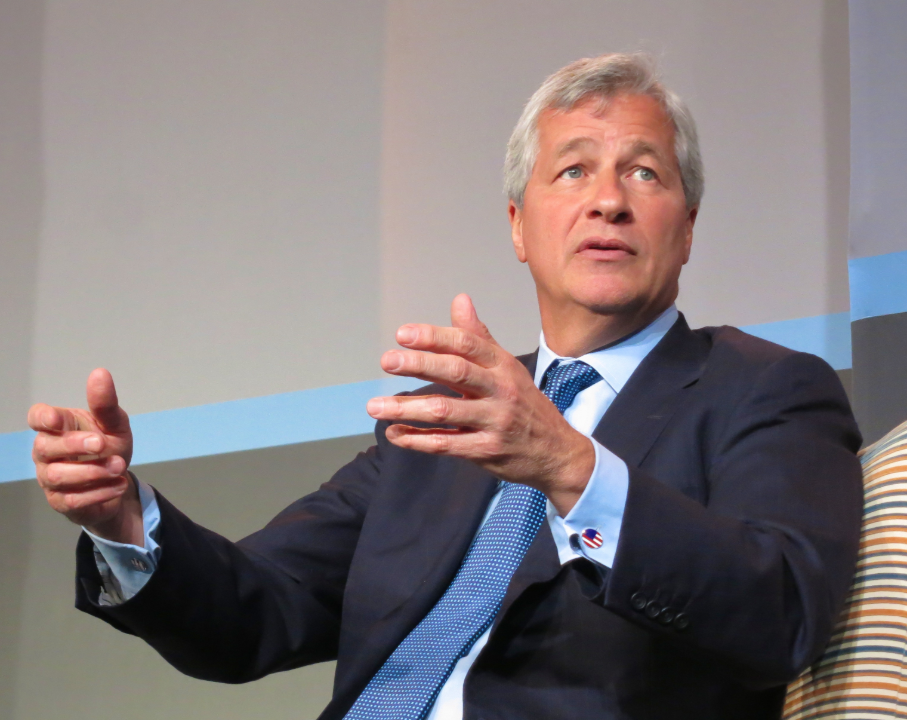
At the same time, critical market structure designations continue to languish in the marble vaults of the Capitol, with the most glaring example being the stalled CLARITY bill. Both pieces of legislation were undermined by the hotly contested ethics-related amendments affecting the personal portfolios of the Banking Committee members. In unrelated developments, Senator Lummis has issued a public dare to JPMorgan CEO Jamie Dimon to read the bill on live television, as the June recess quickly approaches.
The EU MiCA framework is also frequently held up as an existential threat during the industry’s fundraising calls, as crypto lobbyists urge the legislators to adopt some form of the long-awaited comprehensive stablecoin-specific legislation before the end of the year. The post-FTX donations detoxification campaign has since been replaced by a much more lucrative round of reputation laundering, as the industry’s most influential voices reposition themselves as innovation-first thought leaders. And the juxtaposition of unsubtle pro-innovation language followed by the detailed annexes suggesting the exact language changes for the regulators’ consideration — that is the true and nearly unvarnished look at the industry’s lobbying practices. The long-awaited capital call has been replaced by a much more effective mechanism: the slick political maneuvering that replaces the messy grassroots activism of crypto’s early years.
Cast of Characters and the Price of Compliance
Between the impassioned speeches given by Coinbase’s Brian Armstrong about the patriotic importance of keeping the critical financial technologies within the U.S. jurisdiction, the vicious political ads decimating the Banking Committee’s reputation, and the carefully staged bipartisan photo-ops at the Capitol Hill, it’s easy to lose sight of the lobbying realities behind the scenes. The cast of characters spans from Bernie Moreno and Sherrod Brown to the more “moderate” figures like Ruben Gallego and Angela Alsobrooks, who have quietly tucked the crypto support clauses into their committee votes. Each of these actors plays their part within the grand Washington production: Brian Armstrong speaks of patriotism, while the venture capital principals quietly insist that their billions of dollars of fundraising will take place exclusively within the United States. Meanwhile, the stablecoin issuers continue their lobbying push to obtain the banking charter without the crippling capital requirements and the traditional finance oversight, and the everyday consumers of crypto remain an afterthought in the industry’s internal discussions.
Most of the industry’s lobbying expenditures remain directly tied to the policymakers’ personal or political considerations. A senator receiving a large PAC contribution will dutifully vote for the favorable amendments when the time comes, while Gallego-style centrists will always manage to find a way to avoid directly voting for the bill. The industry’s biggest boosters tend to be those who quietly acknowledge the advantages that favorability confers upon their constituents. Cynthia Lummis and Tim Scott, for their parts, continue to publicly push for the floor vote on strategic digital asset reserves, while the most persistent opponents tend to be Elizabeth Warren, Gary Gensler, and JPMorgan’s Jamie Dimon, who collectively serve as useful villains for the industry’s promotional events.
But there are always other senators who want to be seen as reasonable operators willing to cut deals with the crypto ecosystem. And then there are those who quietly fear that crypto would do to money what the cannabis industry did to drugs: turn it into a much more accessible and much more regulated market.
If we peel back the layers of self-congratulatory statements, it becomes clear that most lobbying expenditures remain directly tied to the industry’s narrow self-interest. Exchanges will always seek the most advantageous regulatory framework that preserves their dominance in the token listings markets, while the venture capitalists want to turn their billions of dollars of early-stage investments into easily realizable tokens without answering to the SEC. The stablecoin issuers, as mentioned, will always seek the banking license without the banking liabilities. And the everyday consumers, once again, are an inconvenient afterthought, utilized in the industry’s promotional materials as an easy source of feel-good content (and large-scale adoption figures) while rarely consulted on the industry’s needs.
The technical-policy collision is where the industry’s lobbying tends to become especially desperate. We see it most visibly in the lawmakers’ inability to grasp the fundamental distinctions between Energy and Bandwidth on TRON, or the differences between the gas fees on Ethereum and other blockchains, or the ways in which the broad anti-money laundering regulations fail to distinguish between the cheap offshore crypto casinos and the much-needed remittance channels. When the direct approach fails, the industry often supplements its efforts with a steady stream of compliance-related technology offerings that help the banks and other institutions to become crypto-friendly.
FOMO, Capture, and the Echoes of Tobacco
There is a certain FOMO among the politicians, as the most influential senators realize that there’s nothing worse than being the one to have presided over the crypto industry’s loss of national interest. Nobody wants to be mocked for having stupidly failed to capture the state, as it would severely damage their prospects for the next round of elections. The lobbying budget has seen a steady increase year after year, and the billable hours for the K Street law firms are simply ludicrous, with most of the industry’s large-scale operations already planning their next round of fundraising. There are always lobbying firms better positioned to profit from the status quo, no matter which candidate manages to win the seat. It’s also worth noting that many industry insiders suspect the system to have already captured the critical junctures of the policymaking process. That is why there are frequent calls for more transparency, and why we hear so many accusations of regulatory capture from either side of the aisle.
The industry has already begun to resemble the legacy industries of the pre-digital era, with its lobbyists following the well-worn playbook that has been previously used by Big Tobacco, Big Pharma, payday lenders, and the firearms manufacturers, among others. Crypto has been loudly accused of capturing the Capitol, as the industry spends hundreds of millions of dollars on the pro-crypto lobbying. But most of it tends to go toward the critical junctures where the large-scale operations need explicit congressional approval to continue their operations in the United States. The industry insiders realize that few potential regulations present an existential threat to their bottom line. At the same time, there are several specific narrow regulations that could greatly benefit the industry insiders while simultaneously crushing the numerous small proto-industries that currently compete with them.
The industry’s best comparisons are found in other verticals that have successfully employed similar tactics. Crypto firms frequently cite Big Tobacco’s transition to mainstream acceptability as an industry benchmark, while the Big Pharma lobby remains regularly referenced by everyone from the Capitol to the press to the industry insiders themselves. The industry insiders also loudly proclaim their commitment to bipartisan support, frequently invoking the examples of the payday lending industry and the NRA’s meticulous scoring of the lawmakers. Each of these firms understood that their future depended on their ability to shape the regulatory environment rather than simply reacting to it.
In effect, crypto has joined the ranks of the traditional industries in realizing that the most effective way to survive and thrive is to buy the regulators. That has positioned the industry in a curious place, one in which the most influential figures regularly promote themselves as state-friendly. The early cryptographers talked about building a stateless financial system, but most of them no longer reside in the United States. Meanwhile, the executives who have retained their presence in the country now dedicate much of their time and effort to convincing the lawmakers that the industry has the best possible intentions.
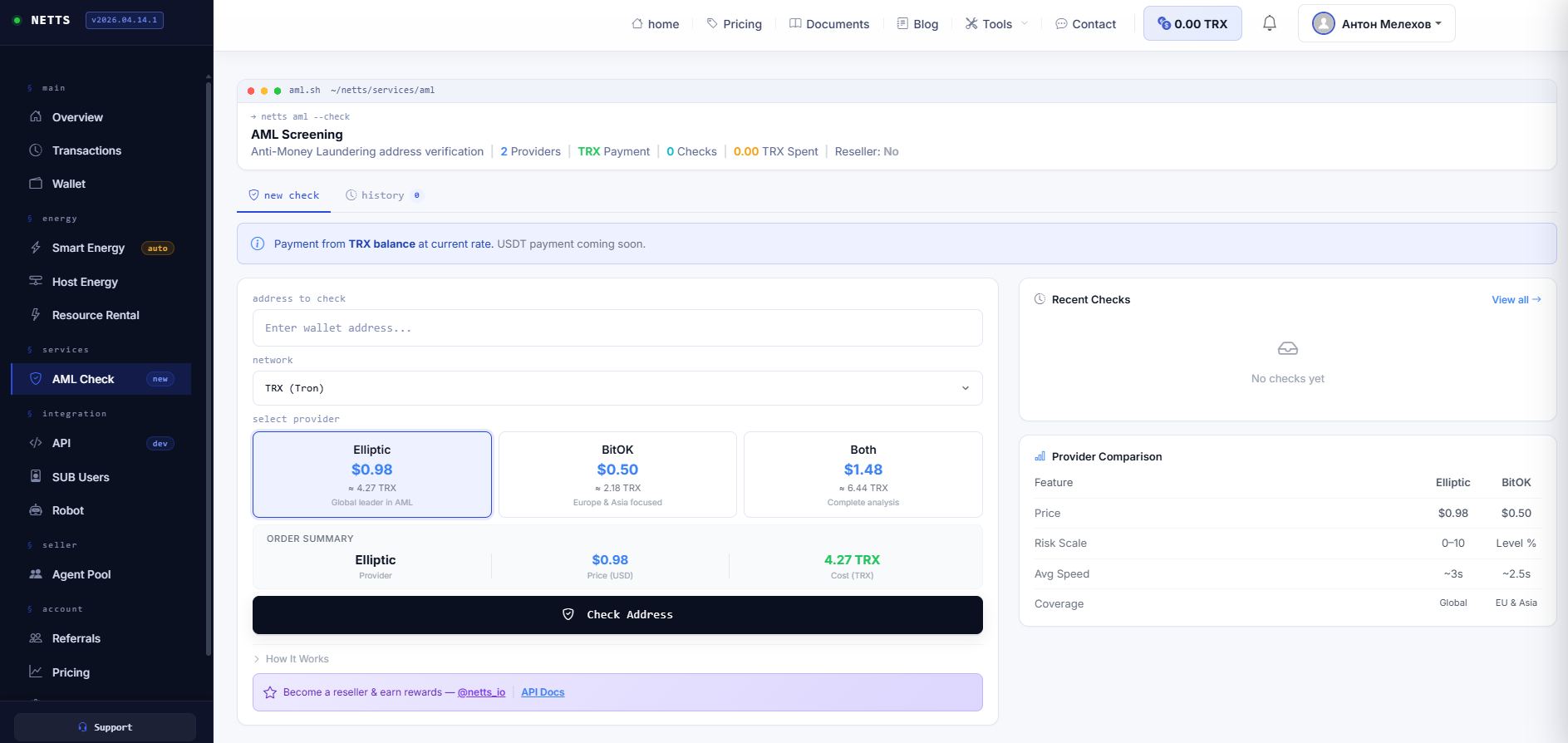
Once cryptocurrency hits the office suite, the actual production layer, the substance of things, becomes as important as the ideological discourse. Netts Workspace is an interface designed to address the pragmatic necessities of TRON utilization: billing Energy, managing Smart Mode, Host Mode, transaction history, AML scans, API, referrals, cost accounting, and so on. In other words, for companies that have to process hundreds of thousands of dollars in TRON Value Transfers fees, program Energy APIs, report compliance dossiers or want to automate TREASURY operations on the TRON network, Workspace is an anti-anarchist tool. It enables you to track wallets, delegate Energy in schedules, white-label APIs, export reports, and save the TRX expenditure due to repeated transactions: the same blockchain ecosystem, but with less friction and more surveillance for those paying the piper.